
 New in
 Wedding guest
 Party season
 Winter coats
 New in
 Suits & tailoring
 Coats & jackets
 Jeans
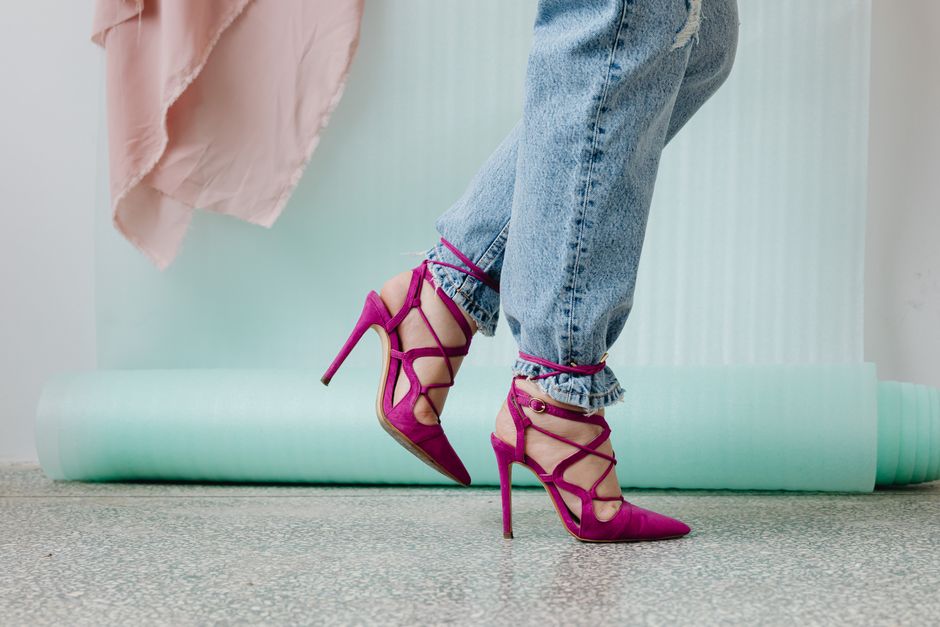
How to Choose Women's Shoes: UK Buyer's Guide
Quick answer: Buy shoes that fit your foot shape and lifestyle first, then choose materials and style that match your budget and the seasons you'll actually wear them in.
Why this matters more than it used to
Choice has exploded, and so has confusion. Sizing varies wildly between brands — one label's size 6 can fit like a 7 elsewhere. Materials range from synthetic to leather to newer ash-based fabrics. Styles blur between casual, work, outdoor and hybrid. And the British climate is unforgiving: wet pavements, cold mornings, sudden downpours and centrally heated offices all demand different things from a shoe.
Our live picks on this page show current stock across every price band, with real customer ratings in the 4.6–4.8★ range. Before you click through, though, the criteria below will save you returns, blisters and wasted money. The principles of fit, material performance and budget value don't change month to month, which is why this guide stays useful long after any individual product has sold out.
The three decisions that outweigh everything else
Does it fit your foot shape? Will it handle what you'll do in it? Are the materials right for your climate and your willingness to look after them? Get those three right and almost everything else falls into place.
Fit, Purpose and Materials: The Decisions That Matter
Fit is non-negotiable — and most people get it wrong

A shoe's size is not a fixed thing. UK women's sizes run from roughly 3 to 9 with half-sizes in between, but fit depends on width, arch height, heel depth and toe-box shape. A narrow foot in a wide shoe will slip and rub; a wide foot crammed into a narrow shoe will blister. Some brands offer narrow, standard and wide fittings; many don't, and sizing varies dramatically between them.
Counter-intuitive fact #1: your shoe size changes. Feet swell through the day, especially in warm weather or after standing, and they widen slightly with age. Measure in the afternoon, standing on a flat surface with weight evenly distributed, from heel to longest toe. Check both feet — they're rarely identical, and if one is noticeably larger, buy for the bigger foot. Plenty of UK buyers haven't re-measured in years and end up with shoes that fit in January but pinch in July.
Purpose shapes everything
Work shoes need to look polished, stay comfortable for eight hours plus, and cope with a commute. Weekend shoes can prioritise comfort over appearance. Outdoor shoes need grip, water resistance and ankle support. A soft slip-on that's perfect for the sofa is useless on a wet commute, and a rigid formal shoe would be torture on a relaxed Saturday. Be honest about the job the shoe has to do.
Counter-intuitive fact #2: a comfort rating doesn't predict whether you'll actually wear a shoe. A pair can have glowing reviews for cushioning and support and still sit in the wardrobe because it doesn't match your lifestyle or your wardrobe. If you work in a formal office, a highly rated casual trainer won't help you. If you hate laces, a lace-up boot won't get worn no matter how supportive it is. The best shoe is the one you reach for repeatedly.
Materials determine durability, weather performance and care
- Leather — durable and water-resistant when treated, breathes well and moulds to your foot, but needs polish or cream to stay that way.
- Synthetic fabrics — often polyester, nylon or PU; cheaper, frequently more water-resistant, less breathable, and can feel plasticky though modern versions are improving fast.
- Ash-based fabrics — a lightweight, breathable option appearing in mid-range and premium shoes; check water resistance separately rather than assuming.
- Memory foam and cushioned insoles — comfortable from the first wear but they compress over time, so treat them as a consumable rather than a permanent feature.
- Fuzzy or faux-fur linings — warm and cosy for winter, easy to clean, but can shed and become uncomfortably hot in summer.
- Sole material — rubber or textured soles grip wet pavements; hard plastic soles are cheaper but slippery, which matters enormously on a damp British high street.
Think about care before you buy. Do you want to polish leather, or would you rather wipe something clean? Do you need washable linings for heavy use? Will the shoe be worn year-round or only in one season? A beautiful leather pair that you never maintain will look worse within a year than a synthetic pair you can wipe down in seconds.
Materials, Types and Sizing: How to Read the Specs
Online spec sheets can look opaque, but they contain most of what you need to avoid a costly mistake.
Sizing: UK, EU and fit notes

Shoes
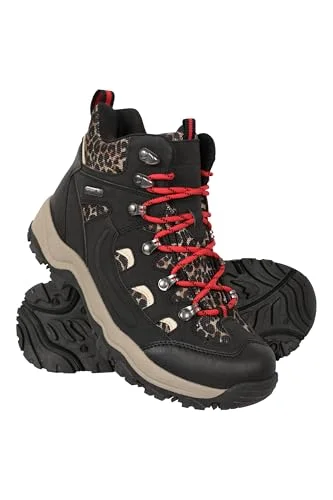
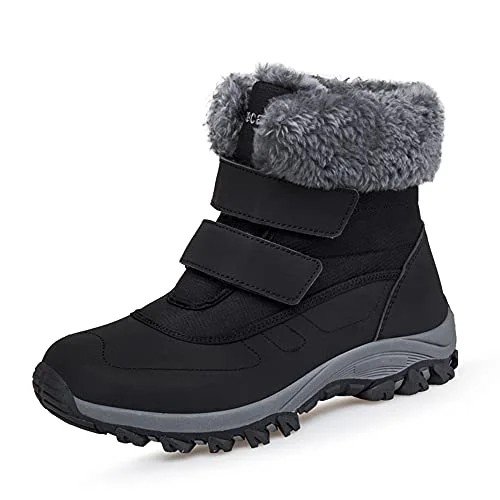
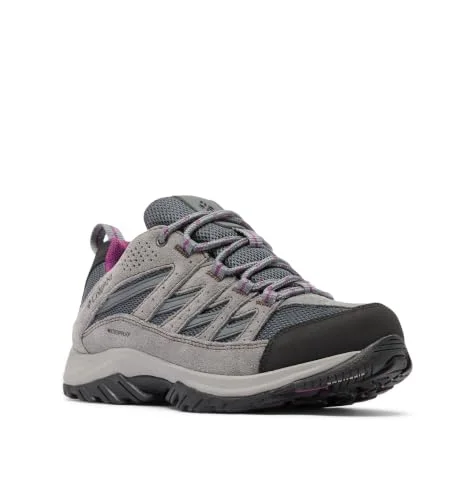
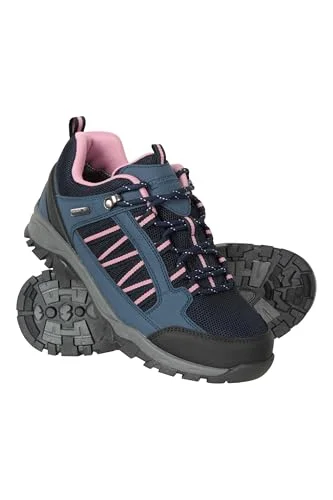
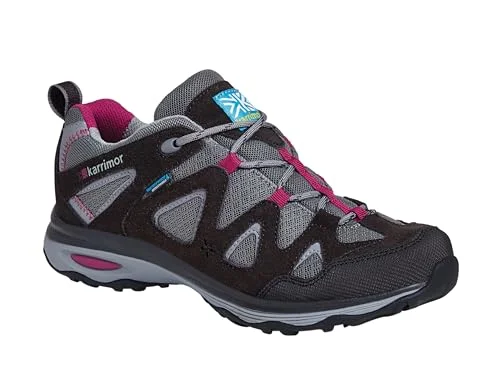
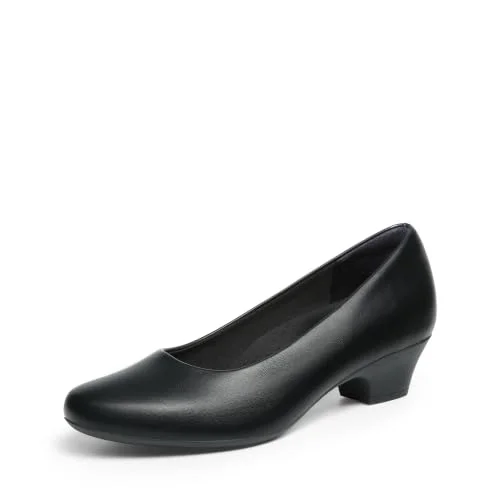
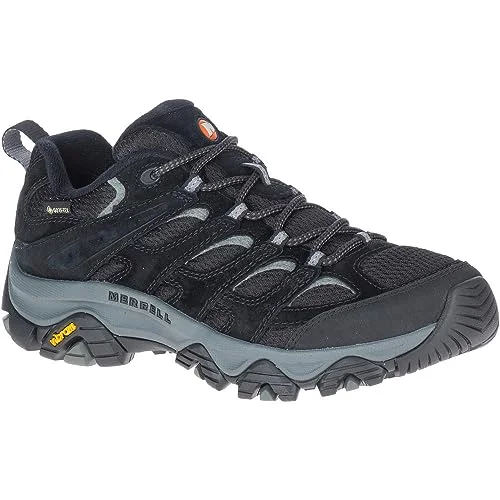
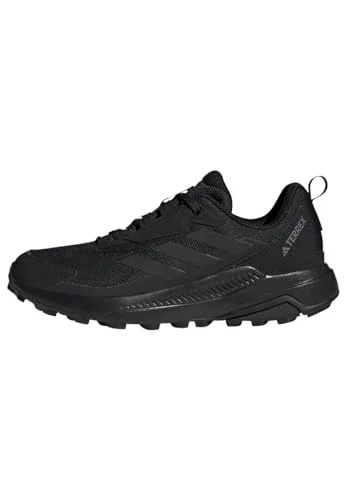
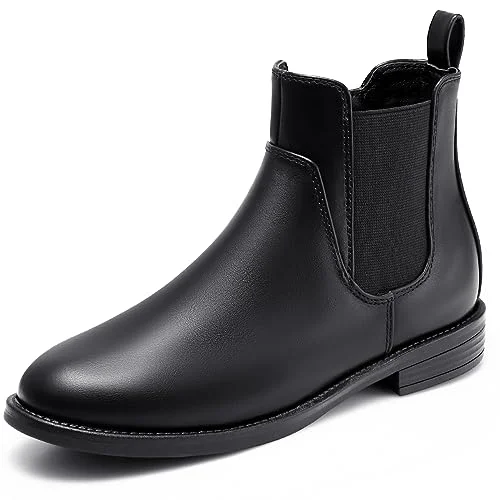
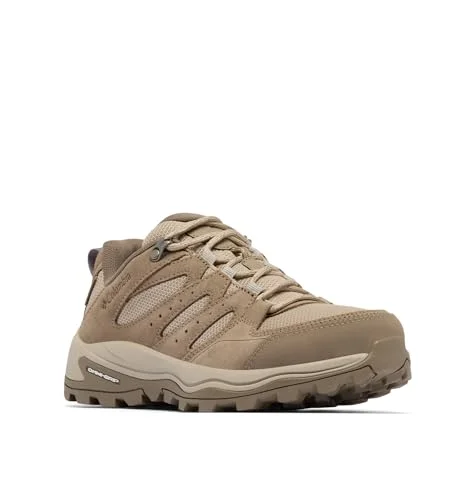
UK women's sizes typically run from 3 to 9 with half-sizes, and some brands extend to 10 and beyond. EU sizing runs larger — a UK 6 is roughly an EU 39 — so always check the brand's own size guide rather than converting in your head. Fit notes such as "runs narrow" or "generous in the toe" are gold dust; if a brand consistently runs small, size up. Width matters as much as length: a narrow foot in a standard-width shoe will slip at the heel, and a wide foot will develop pressure points. Check whether width options exist before you commit.
Common shoe types and what they're for
- Slip-on shoes — easy on and off, ideal for commuting and casual wear, but with less ankle support than laced styles.
- Laced shoes — adjustable fit and better ankle support, suited to formal and outdoor use, at the cost of a slower start to the morning.
- Slippers — indoor comfort, often with memory foam, but never for outdoor wear or serious walking.
- Fuzzy or lined shoes — winter warmth and a cosy feel, though often too warm for summer.
Using specs to avoid returns
Before buying, check four things: your measured foot length and width, the brand's fit notes, the material (will it suit your climate and care routine?), and reviews that specifically mention fit. If reviews say a style runs small and you're between sizes, size up. If the lining is fuzzy and you overheat easily, look elsewhere. If the sole is hard plastic and you commute on wet pavements, choose a grippier option. These small checks take two minutes and prevent most returns.
Budget Bands Explained: What You Get at Each Price Level
Price and quality don't always align, but the bands do tell you what to expect. Here's the honest breakdown.
| Band | What you typically get | Best for |
|---|---|---|
| Budget — up to about £10 | Synthetic or leather-look uppers, thin insoles, glued construction, minimal cushioning | Occasional wear, slippers, travel backups, trying a new style |
| Mid-range — about £10–£15 | Better leather or quality synthetics, memory foam or gel cushioning, reinforced stitching, width options | Everyday work, weekend and commute shoes worn regularly |
| Premium — above £15 | Full leather or advanced fabrics, engineered arch support, meticulous construction, extended sizing | Investment pieces, specialist use, shoes worn for years |
Budget: up to about £10
At this level you're buying basic function. Insoles are thin, construction is simpler, and cushioning is minimal — after a few hours your feet will notice. That's fine for shoes you'll wear rarely, for slippers around the house, or for a style you're unsure about. It's not fine for all-day work or a daily commute, where you'll feel the difference in comfort and durability within weeks.
Mid-range: about £10–£15

This is where most UK buyers find their sweet spot. Materials improve, insoles gain genuine cushioning, and construction is more considered with reinforced stitching and better sole attachment. Many brands offer width options here. It's the band for shoes you'll wear several times a week and need to last a season or more — genuine comfort and durability without premium pricing.
Premium: above about £15
Here you're paying for refinement, longevity and often specialist features: top-tier materials, engineered arch support, hand-finished details and premium sole materials. It's worth it for shoes you'll wear for years, for specialist outdoor or medical needs, or when craftsmanship genuinely matters to you. It's risky if you're experimenting with a new style or an unfamiliar brand — get the fit right at mid-range first, then invest.
To filter our live picks: narrow by price band, sort by customer rating, check the spec sheet for fit notes and materials, and read reviews that mention durability and comfort rather than appearance alone. If you're between sizes, check the fit notes before deciding.
Common Mistakes and FAQs
Mistakes to avoid
- Buying without measuring your feet — your size may have changed; measure in the afternoon when feet are largest.
- Ignoring fit notes — if a brand runs narrow and you have wide feet, sizing up may not be enough.
- Choosing style over purpose — a beautiful work shoe that blisters after four hours is a waste of money.
- Not checking material for the climate — a shoe with no water resistance will feel damp on a wet British day.
- Buying premium from an unfamiliar brand — start mid-range, learn the fit, then invest.
- Assuming reviews apply to you — a five-star review from someone with narrow feet tells a wide-footed buyer very little.
- Overlooking lining and insole — thin insoles and scratchy linings are the most common hidden disappointment.
FAQs
How do I know if a shoe will fit without trying it on? Measure accurately, check the brand's fit notes and size guide, and read reviews that mention fit. Where free returns are offered, buying two sizes and sending one back is a perfectly sensible strategy.
Leather or synthetic? Leather is more durable and breathes better but needs maintenance. Quality synthetic is often cheaper and more water-resistant. For everyday UK wear, good synthetic is fine; for investment pieces, leather earns its premium.
How long should shoes last? Budget pairs might manage six to twelve months of regular wear, mid-range one to two years, and premium two to three years or more with care. Heavy use or neglect shortens all of those estimates.
What if my feet are different sizes? Buy for the larger foot. Insoles or thicker socks can take up slack on the smaller side, and half-sizes help bridge a gap.
The best shoe is the one that fits your foot, suits your life and stays in your rotation. Use fit, purpose and materials to narrow your choice, read reviews from buyers with similar feet and routines, and remember the arithmetic: a £10 shoe that doesn't fit is expensive, while a £15 shoe you wear three times a week for two years is a bargain. Our live picks on this page show what's available now across every band — start with your budget, then refine by purpose and material.
Keep reading
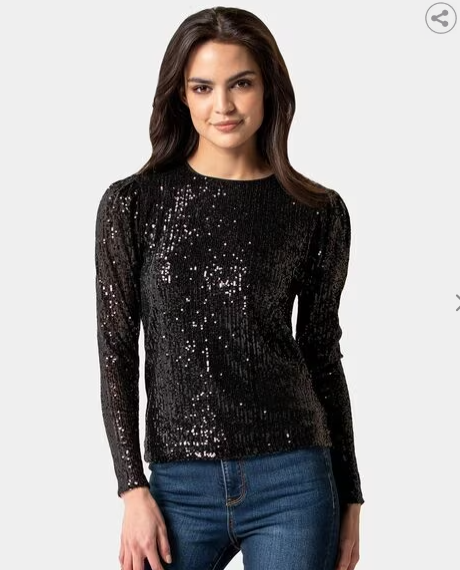
Unleash your inner sparkle with the versatile black glitter top! This timeless piece adds instant glamour to any outfit, transforming your look from c

You know you want to look sexy, strutting confidently through life. But what if that doesn't come naturally?

If you're looking for fun summer fashions but don't want them breaking the bank then search no further than our site today because every style comes i