
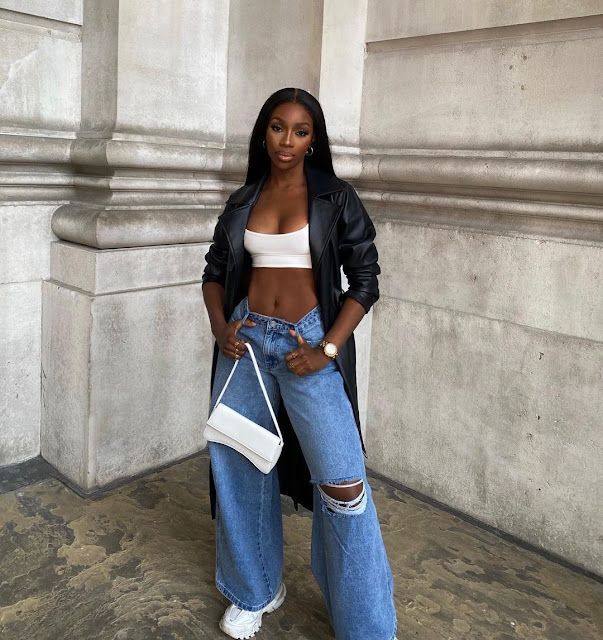
 New in
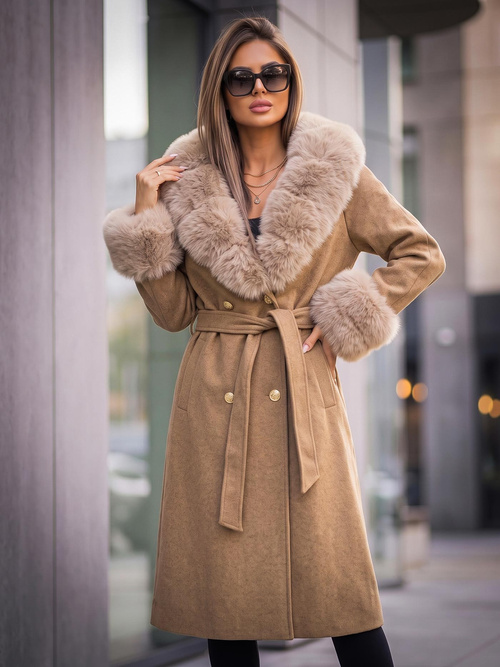 Wedding guest
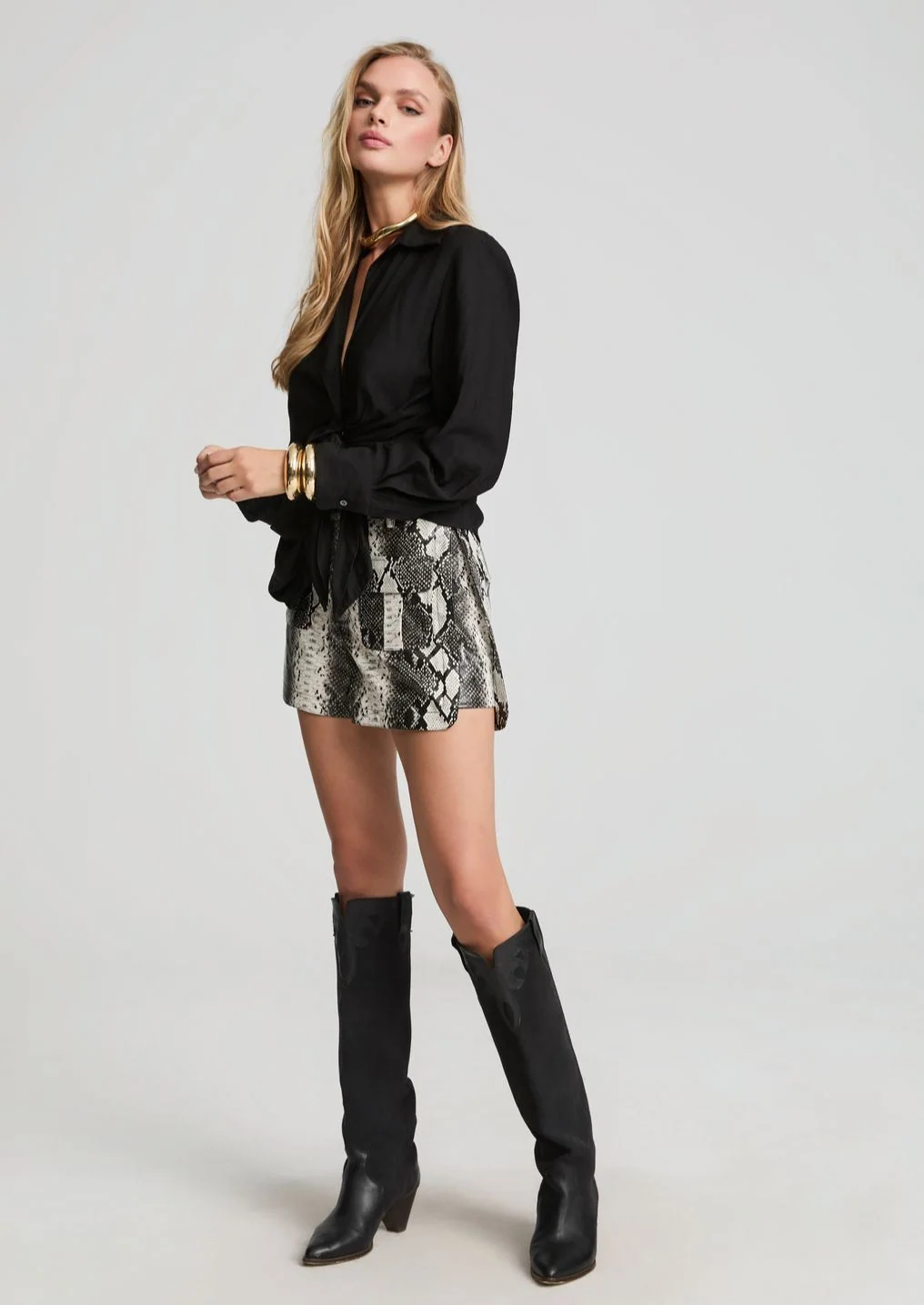 Party season
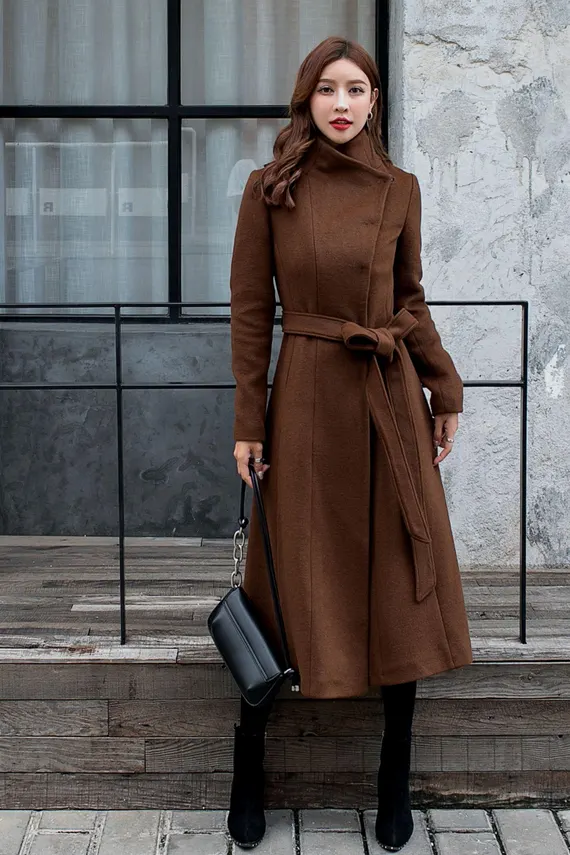 Winter coats
 New in
 Suits & tailoring
 Coats & jackets
 Jeans
Women's Tops & Knitwear Buying Guide 2026
Quick answer: Buy for fit first — check shoulder width and body length against your own measurements, not the size number — then judge fabric weight and fibre content against how you'll actually wear it. A mid-weight natural-fibre piece at £15–£25 will outlast and out-perform a heavier-looking budget knit every time. Premium above £25 only earns its keep when the fibre (merino, lambswool, cashmere blend) and the construction genuinely extend the piece's life.
Two things trip up almost every buyer. The first is UK sizing chaos: a size 12 in one label is a 14 in another, and the same size in a cotton jersey versus a linen blend behaves like two different garments. The second is our weather. A top that's perfect in a warm September becomes useless by mid-October without a layer underneath, and a chunky knit bought for a cold snap can be unwearable in an overheated office. Weight and layering matter more here than in almost any other clothing category.
We've gone through hundreds of women's tops and knitwear across all three price bands. Our picks on this page are rated 4.8–5 stars by real buyers, and the live widget shows what's actually in stock right now. But this guide isn't a product list — it's the decision framework you use before you filter, so you know what to look for and what to ignore.
The counter-intuitive truth worth holding onto: price is a weak predictor of fit. A premium jumper in the wrong yarn weight for your routine will disappoint faster than a well-chosen mid-range one. Fit and fibre beat price tag, every time.
The Three Decisions That Actually Matter: Fit, Fabric Weight and Real Life
Strip away trend and branding and this category comes down to three things: whether it fits your frame, whether the fabric weight suits your climate and layering, and whether it survives your actual routine. Get these right and the rest is detail.
Fit: Why Most Tops Disappoint

Fit is where purchases go wrong, and it's rarely about the size number. UK brands cut to wildly different blocks — some for a straighter shoulder, some for a fuller bust, some assuming a longer torso. A cropped top sits at the waist on someone 5'2" and above the navel on someone 5'10". Crew necks gape on narrow shoulders. Oversized cuts swamp petite frames entirely.
The non-obvious point: oversized still has to fit your shoulders. If the shoulder seam drops two inches down your arm, the piece doesn't read as deliberately relaxed — it reads as borrowed. Check shoulder width and body length before anything else. Budget tops often omit these measurements; mid-range and premium listings usually publish them, which is one quiet reason they fit better.
Fabric changes fit too. A stretchy cotton jersey clings; a linen blend drapes away from the body. The same labelled size in two fabrics can feel like two sizes. That's why detailed reviews from buyers of a similar height and shape are worth more than the size chart alone — the ratings in our live widget are a decent proxy for this.
Fabric Weight: Your Best Tool for British Weather
Weight determines versatility, and versatility is what you're really buying. Think in rough grams per square metre:
- Lightweight (under about 150g/m²): summer tops and layering bases. Breathable in warm rooms, but budget versions here are thin single jersey that pills and fades quickly.
- Mid-weight (roughly 150–200g/m²): the year-round sweet spot. Long-sleeve tops, fine-gauge crew necks and light knits live here — fine alone in spring, layered in autumn, under a blazer in winter. Most mid-range pieces are mid-weight for good reason.
- Heavy (200g/m² and up): jumpers, cardigans, chunky knits. Statement pieces and winter workhorses. They must fit precisely because bulk hides nothing, and this is where better yarns (merino, lambswool blends) earn their price by not itching and holding shape.
A concrete example: a mid-weight fine-gauge crew neck in a wool blend will take you from a chilly October commute through to a heated office and back, worn over a base layer. A chunky acrylic knit of the same price will be too warm indoors and too clammy outdoors — the weight is wrong for the job, not the quality.
Lifestyle: Buy for the Life You Have

Tops & Knitwear
A work top needs to hold shape through a day of sitting, standing and typing, resist creasing, and look polished at 4pm. A weekend top can be softer and more relaxed — but if you're cooking, chasing children or commuting on a packed tube, durability outranks drape.
The counter-intuitive bit: a premium piece isn't premium if it doesn't suit your routine. A delicate hand-wash-only knit is wasted money if it'll sit in the laundry basket for a month. A linen-blend top is beautiful and hopeless if you refuse to iron. Match the care requirements to your real habits, not to how the piece looks on a hanger. If you love the idea of cashmere but know you won't hand-wash it, a merino or lambswool blend gives similar softness, washes more forgivingly, and costs a fraction of the price.
Reading the Label: Fibres, Types and UK Sizing Decoded
The care and composition label tells you almost everything, if you know what each fibre is actually doing for you.
Fibres and What They Mean
- Cotton: breathable, soft, affordable. Pure cotton creases and can shrink; budget tops are often 100% cotton, mid-range usually blends it with a little elastane for stretch or polyester for durability.
- Wool and wool blends: warm, temperature-regulating, crease-resistant. Merino is softer and far less itchy than standard wool; lambswool is softer still. Budget knitwear rarely uses pure wool; mid-range typically uses blends; premium pushes the wool percentage up or adds cashmere.
- Linen: superb breathability, heavy creasing. Usually blended with cotton to calm the wrinkles. Brilliant for a hot summer, demanding on the ironing front.
- Synthetics (polyester, acrylic, elastane): cheap, colourfast, easy-care — but they don't breathe as well, and low-grade versions pill badly. High synthetic content is the clearest signal you're in the budget tier.
- Cashmere and luxury blends: soft, warm, expensive, and mostly found above the mid-range. They last for years if cared for — and moths adore them.
Common Types and What They're For
- Crew neck tops: the versatile workhorse. Layer well, suit most shapes when the shoulder fits.
- V-neck tops: lengthen the neck and flatter rounder faces, but gape if the fit is off.
- Long-sleeve tops: essential for UK autumn and winter. Check sleeve length — over-long sleeves look sloppy fast.
- Jumpers and crew neck knitwear: warmer than jersey tops and genuinely year-round here. Weight is the deciding factor.
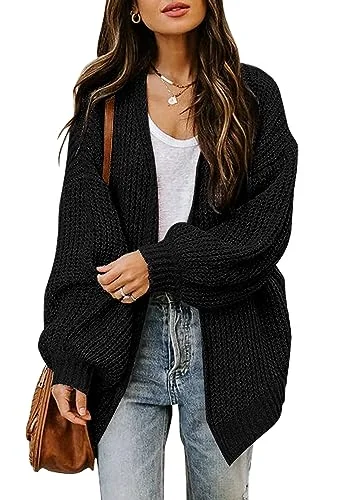
- Cardigans: the great layerer — over dresses, under coats, open over a tee. Fit is critical: too loose looks shapeless, too tight pulls across the bust.
UK Sizing and How Brands Vary
UK sizes run 6 to 20, with S–XXL alongside. There is no standard: a 12 in one label is a 14 in another. Trust the published measurements — bust, body length, sleeve — over the number. If you're under about 5'4", check body and sleeve length carefully, because standard blocks will swamp you; some brands run petite ranges. If you're a 16 or above, read reviews from buyers your size, because some brands scale proportionally and others simply add width.
Budget Bands: What Each Tier Actually Delivers
Price tracks quality loosely, not tightly. Here's the honest breakdown of what you get at each level.

| Tier | What you get | What you don't | Best for |
|---|---|---|---|
| Budget — up to about £15 | Basic tops and light knitwear, often 100% cotton or high-synthetic blends; current colours and prints | Durability — pilling after 10–15 washes, fading dyes, elastane that gives out | Summer tops, layering pieces, short-term trend buys |
| Mid-range — about £15–£25 | Better blends (cotton-elastane, wool blends), reinforced seams, more accurate sizing, colours that hold | Luxury fibres or premium construction detail | Everyday wear, work tops, knitwear worn weekly for 2–3 years |
| Premium — above about £25 | Natural fibres (merino, lambswool, cashmere blends), precise fit, longevity, pieces that improve with age | Trend-led styling — premium tends to be classic | Investment knitwear worn for years, work and occasion pieces |
The budget tier isn't a trap if you buy it knowingly: a £12 summer top you wear for one season is fine value. It becomes a trap when you expect it to behave like mid-range. The mid-range band is where most people should live — it's the point where fabric blends and construction start genuinely extending lifespan. Premium above £25 only makes sense when you'll wear the piece often enough for the per-wear maths to work in your favour.
When you filter our picks on this page, sort by fabric content first, then sleeve length and fit, then colour — and read the reviews for colour accuracy and sizing honesty. The 4.8–5 star pieces are there because buyers found they delivered on fit and longevity, not because they were the cheapest.
Common Mistakes and the Questions Buyers Actually Ask
Mistakes Worth Avoiding
- Trusting the size number. Check bust, length and sleeve measurements — a 12 in one brand is a 14 in another.
- Buying the trend, not the wear. If it doesn't suit your routine, it'll hang unworn. Ask how often you'll actually reach for it.
- Assuming price equals fit. A premium jumper in the wrong weight fits worse than a well-chosen mid-range one.
- Skimming the fibre content. Pure cotton creases and fades; a cotton-elastane blend holds shape. The label is the tell.
- Skipping reviews. Someone your height and shape has already tested the fit — use that before you buy.
- Ignoring care instructions. Hand-wash-only is a promise you have to keep. Be honest about whether you will.
- Choosing style over fit. A beautiful top that sits wrong is money wasted. Fit first, style second.
Frequently Asked Questions
How often should I replace a top or jumper? Budget pieces last a year or two with weekly wear; mid-range two to four years; premium five-plus if cared for. If something pills, fades or stretches out of shape within months, it wasn't good value whatever you paid.
What's the difference between a jumper and a crew neck? Crew neck describes the neckline — round and close to the neck. A jumper is a knitted top. A crew neck jumper is both. The terms overlap and are used interchangeably.
Should I size up for a fitted top? No. Choose your true size from the measurements. If it's tight, that brand's block isn't for you — sizing up usually makes it look sloppy rather than better.
How do I stop knitwear pilling? Pilling comes from low-grade fibres and loose construction. Mid-range and premium pieces pill far less. Wash in a mesh bag, don't overload the machine, and skip fabric softener.
Build the category slowly and deliberately — a couple of well-fitting mid-weight tops, one good crew neck, a cardigan that layers cleanly — and you'll spend less over three years than you would replacing cheap pieces season after season. Start with fit and fibre, use the price bands to set expectations, and let the live picks on this page do the shortlisting.
Keep reading
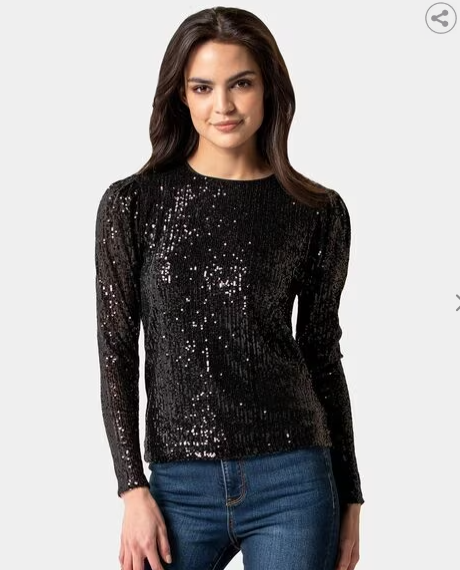
Unleash your inner sparkle with the versatile black glitter top! This timeless piece adds instant glamour to any outfit, transforming your look from c
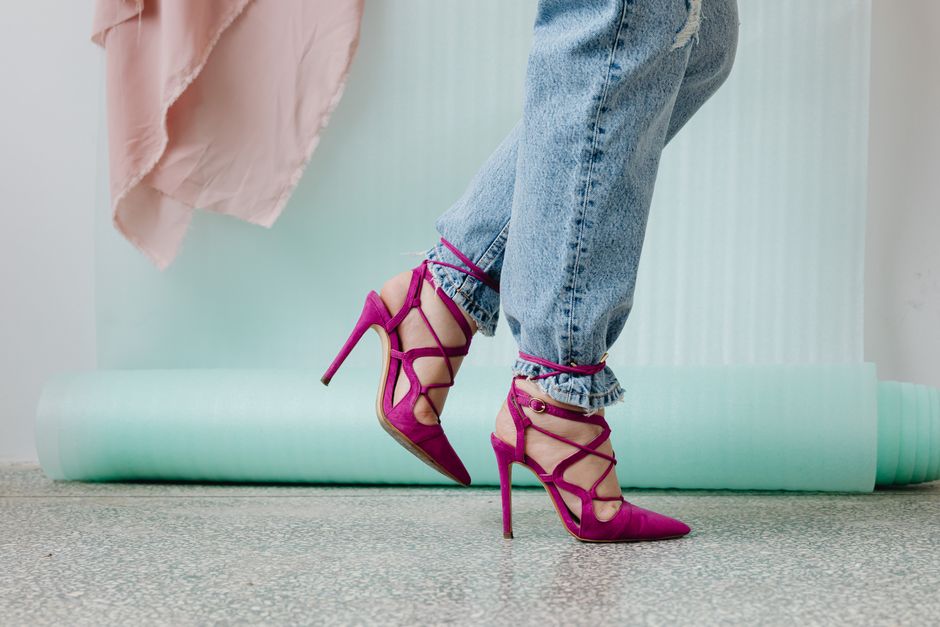
Learn how to pick the right women's shoes: fit, materials, budget bands and common mistakes. UK sizing, weather and style advice.
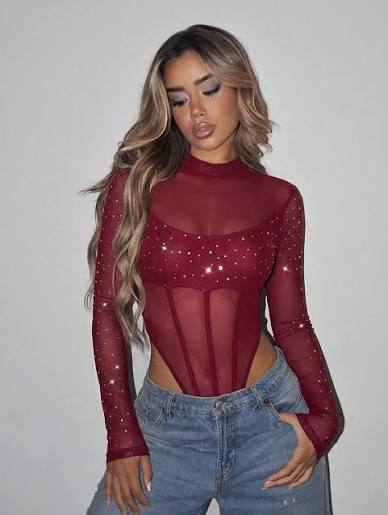
You know you want to look sexy, strutting confidently through life. But what if that doesn't come naturally?