
 New in
 Wedding guest
 Party season
 Winter coats
 New in
 Suits & tailoring
 Coats & jackets
 Jeans
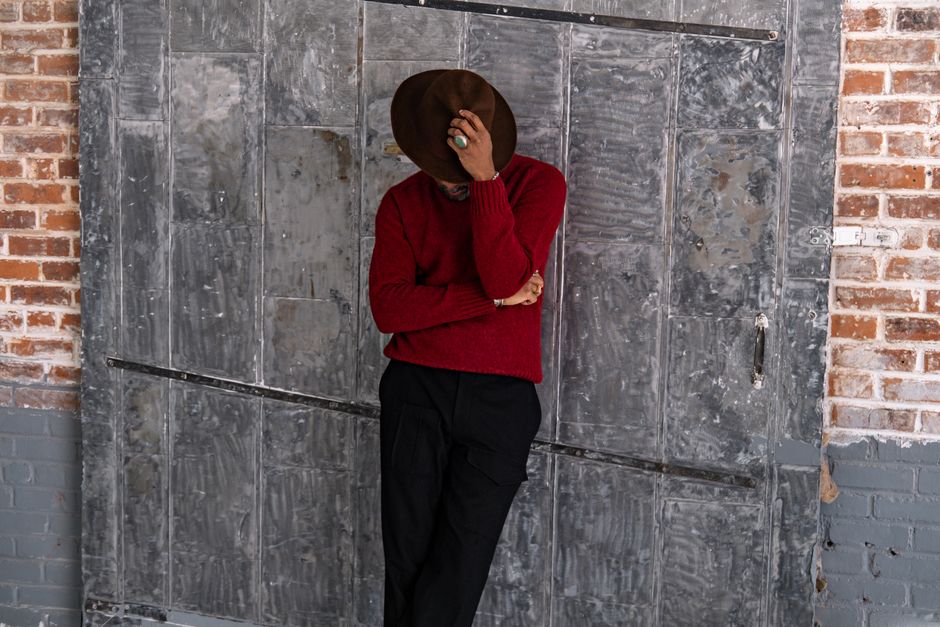
This guide cuts through the noise. We will show you what separates a cheap jumper from a good one, how to read a fabric label like a buyer, and why fit — not the number on the label — is what makes or breaks a top. You will learn which styles earn their place in a real wardrobe and which are impulse buys dressed up as investment pieces. Then the live widget on this page lets you compare current stock, prices and ratings in real time.
Men's knitwear has become genuinely good value in the UK. High-street and online brands have raised their game on construction and fibres, and competition keeps prices honest. But good value does not mean all the same. A crew-neck jumper can be a workhorse or a disappointment depending on yarn weight, sleeve length and how the seams are finished. The same applies to overshirts, cardigans and knitted shirts — each has a job, and each demands different things from fabric and fit.
Our tracked catalogue covers eight highly-rated options (4.7–4.9 stars) across price bands, styles and seasons. We have filtered out the noise: no fashion-forward pieces that will look dated by next winter, no luxury branding with hollow substance, no synthetic blends that pill and bag after three washes. What is left is practical, honest knitwear that works in a British climate and a British life. Read on to understand what you are actually buying, how to spot quality at a glance, and where your money goes at each tier — then use the widget to see what is in stock and on offer right now.
How to Choose Men's Tops and Knitwear: What Matters
Choosing the right piece comes down to four things: fibre, fit, weight and finish. Get these right and you will have something you reach for weekly. Get them wrong and it will sit in the back of the drawer until a charity bag appears.
Fibre and Blend
Natural fibres perform best in UK weather and everyday wear. Read the label — if it does not list fibre content, walk away.
- Merino wool — breathable, temperature-regulating, resists odour and does not itch like traditional wool. Ideal for layering and year-round wear; costs more but lasts.
- Cotton — cool, soft, easy to wash. Best for spring and summer or as a base layer. Pure cotton can shrink, so cotton-elastane blends add durability and shape retention.
- Wool blends — wool mixed with acrylic, nylon or cotton. Cheaper than pure wool and easier to care for, but less breathable. Fine for everyday jumpers.
- Synthetics (acrylic, polyester) — budget-friendly and machine-washable, but they pill easily and do not regulate temperature. Acceptable for trend pieces, not for staples.
Think of a Manchester commuter in February: a merino crew under a waterproof shell handles a cold platform and a warm train carriage without overheating. The same man in an acrylic jumper will be clammy by the time he reaches Leeds.
Fit and Sizing
Fit matters more than size. Men's knitwear runs inconsistently across brands — one label's Large is another's Medium — so treat the size tag as a starting point, not a guarantee.
- Sleeve length — should end at your wrist bone, not your palm or mid-forearm. Long sleeves on a shorter frame look sloppy; short sleeves on a taller one look borrowed.
- Body length — should sit at your hip, not your ribs or your thighs. Too short looks boyish; too long looks like a hand-me-down.
- Shoulder seam — should sit on your shoulder point, not down your arm or up your neck.
- Chest fit — comfortable without excess fabric. Too tight bags at the elbows; too loose swallows you.
Use brand fit guides and customer reviews. A jumper with 200 reviews saying "runs small" is more useful than a five-star rating with twelve reviews and no detail.
Weight and Warmth

Knitwear weight, usually given in grams per square metre (gsm), tells you how warm and durable a piece is.
- Lightweight (under 300 gsm) — spring and summer, layering, travel. Thinner yarn, less insulation.
- Midweight (300–500 gsm) — autumn and winter everyday wear. The most versatile range and where most mid-range buys sit.
- Heavyweight (over 500 gsm) — deep winter, outdoor work, standing around. Thick, dense, warm.
If the weight is not listed, feel the fabric: lightweight feels delicate, midweight feels substantial, heavyweight feels dense. A heavyweight wool jumper is overkill for a heated London flat but ideal for a cold East Anglian farm shop run.
Finish and Construction
How a jumper is made separates good from cheap. Handle the piece if you can — a good one feels substantial and smooth, not thin or scratchy.
- Seams — should be flat and even, not puckered or loose. Flat-lock seams last longer and sit better under a jacket.
- Cuffs and hems — should be reinforced and lie flat. Curling or loose hems mean poor construction.
- Pilling — natural fibres pill less than synthetics. A pilling comb refreshes a worn piece, but heavy pilling means low-quality yarn.
- Dye — solid colours are easier to care for than patterns. Check that dye is even and does not run; reviews usually flag it.
What You Get for Your Money: Budget, Mid-Range and Premium
Men's tops and knitwear in the UK break into three clear tiers. Understanding what each delivers — and what it does not — stops you wasting money or settling for less.
Budget: Up to About £25
What you get: basic shapes in everyday colours, mostly cotton blends or acrylic, acceptable construction. Fast-fashion and value marketplace sellers dominate this tier.
Best for: trend pieces you will not wear long-term, layering basics, gym or casual wear, or testing a new style before investing.
Trade-offs: thinner yarn, less durability, higher pilling risk, inconsistent sizing and basic finishing. A budget jumper might last one or two seasons of regular wear before bagging at the elbows or fading unevenly.
Reality check: budget does not mean bad. A well-made budget cotton tee or basic crew neck can be perfectly serviceable. Just do not expect it to feel premium or last five years.
Mid-Range: About £25–£30
What you get: better fibres (merino blends, quality cotton, wool mixes), improved construction, consistent sizing and more colour and style options. Brands invest in fit and finish here.
Best for: everyday staples — the jumpers and tops you will actually wear. This is where value-for-money lives.
Strengths: lasts three to five years with care, resists pilling, feels good against skin, washes well and holds its shape. A mid-range merino or wool-blend jumper becomes a wardrobe workhorse.
Trade-offs: fewer designer finishes or heritage stories. You are paying for quality, not brand prestige.

Tops & Knitwear
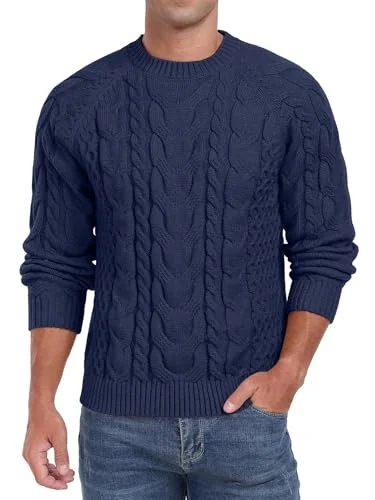
Reality check: this is the tier most men should shop. Honest quality without paying for marketing.
Premium: Above About £30
What you get: premium fibres (100% merino, cashmere blends, high-quality wool), heritage branding, meticulous construction, limited colourways, often made in Europe or Japan.
Best for: investment pieces you will wear for years, special occasions, or specific fibre needs such as eczema-friendly merino.
Strengths: exceptional durability, superior feel, resists wear and pilling, often made to last a decade or more.
Trade-offs: price reflects brand heritage and marketing, not always better construction. A £35 jumper is not necessarily twice as good as a £25 one.
Reality check: premium is worth it if the fibre, fit or brand genuinely matter to you — not because you feel you should spend more.
| Aspect | Budget (Under £25) | Mid-Range (£25–£30) | Premium (Above £30) |
|---|---|---|---|
| Fibre | Acrylic, cotton blends | Merino blends, quality wool | 100% merino, cashmere, heritage wool |
| Durability | 1–2 seasons | 3–5 years | 5+ years |
| Pilling | High risk | Low | Very low |
| Fit consistency | Variable | Good | Excellent |
| Best use | Trends, layering | Everyday staples | Investment pieces |
Our Top Picks: How to Filter the Live Widget
The live price-tracked widget on this page shows eight highly-rated men's tops and knitwear options (4.7–4.9 stars) updated in real time. You will see current stock, prices and customer feedback. Here is how to use it to find what you need.
Filter by Style
Decide what job the piece needs to do before you start scrolling.
- Crew-neck jumpers — versatile, work-appropriate, layer easily. The safest choice for a staple.
- Roll-neck / polo-neck — formal, warm, makes a statement. Requires confident styling; not for everyone.
- Cardigans — layering piece, office-friendly, adds texture. Useful if you like to adjust warmth through the day.
- Overshirts — hybrid between shirt and jumper. Great for autumn, works over tees or alone.
- Knitted shirts — textured alternative to cotton, more formal than jumpers. Niche but versatile.
A knitted shirt in a dark navy is a smart answer to a Christmas lunch where a jumper feels too casual and a cotton shirt feels too cold.
Filter by Fibre
Narrow by what matters to you. The widget shows fibre content for each option, so cross-reference with the guide above.

- Merino or merino blends — if you want breathability and durability.
- Wool or wool blends — if warmth and value are priorities.
- Cotton or cotton blends — if you prefer a lighter feel or have skin sensitivity.
- Synthetic or acrylic — if budget is tight or you want easy care.
Filter by Colour and Season
Neutral colours — navy, grey, black, cream, charcoal — work year-round and layer easily. Seasonal picks such as burgundy, forest green or oatmeal add interest but date faster. Choose based on your existing wardrobe, not the product photo. If your coats are navy and charcoal, a cream jumper earns its keep; a bright red one will sit unworn.
Check Ratings and Reviews
All eight tracked options rate 4.7–4.9 stars. Read the reviews for fit feedback (does it run small, large or true?), durability mentions after washing, fabric feel (scratchy, soft, warm, breathable) and sizing specifics for height and build. Reviews are gold: a 4.8-star jumper with 200 reviews saying "runs small" is more useful than a 4.9-star one with twelve reviews.
Price and Availability
The widget updates live, so prices and stock change. Note the price band — is it budget, mid-range or premium for its fibre and brand? Check availability, because sizes and colours sell out fastest in mid-range. And compare across options: the widget shows all eight at once, so you can see if a similar piece is cheaper or better-rated elsewhere. Everything shown is price-tracked and rated; nothing is there by accident.
Styling, Placement and FAQ
How to Style Men's Tops and Knitwear
Knitwear is the easiest way to layer in UK weather. A lightweight merino tee under a midweight jumper, topped with a jacket, works from September to April. Overshirts and cardigans add versatility without bulk. Neutral jumpers pair with almost anything; textured or patterned pieces need plainer bottoms. Roll-necks suit slim fits and tailored trousers; crew necks work with everything. For a Christmas do, a fine-gauge knitted shirt under a blazer reads smarter than a chunky jumper without feeling overdressed.
Care and Longevity
Knitwear lasts longer with gentle care. Wash in cold water, use a wool-specific detergent, and dry flat — never tumble. Merino and wool resist odour, so you can wear them two or three times before washing. Pilling is normal; use a pilling comb rather than picking at it. Store folded, not hung, to prevent stretching at the shoulders. A jumper treated this way will outlast three cheap ones.
FAQs
Q: Should I buy a size up for a looser fit?A: No. A size up looks sloppy and bags at the elbows. Instead, choose a style cut generous — oversized jumpers exist — or try a different brand. Fit is about cut, not size.
Q: Is merino worth the extra cost?A: Yes, if you value breathability, durability and low odour. For a work jumper you wear 200 days a year, merino pays for itself. For a casual piece, a quality wool blend is fine.
Q: How do I know if a jumper will shrink?A: Check the care label. Pre-shrunk fabrics are safer. Read reviews for shrinkage mentions. When in doubt, wash cold and dry flat.
Q: Can I wear knitwear in summer?A: Yes, if it is lightweight (under 300 gsm) and breathable — cotton, merino or linen blends. A thin crew neck in a natural fibre works layered under a shirt or alone indoors. Avoid heavy wool in July.
Final Word
Men's tops and knitwear do not have to be complicated. Buy mid-range, natural fibres, neutral colours and the correct fit. Wash gently and wear often. Use the live widget to compare current options, read reviews carefully, and trust your hands — if it feels good, it probably is. Your wardrobe will thank you.
Send it to a friend who is shopping for the same thing — they see the guide and today’s prices.
Keep reading
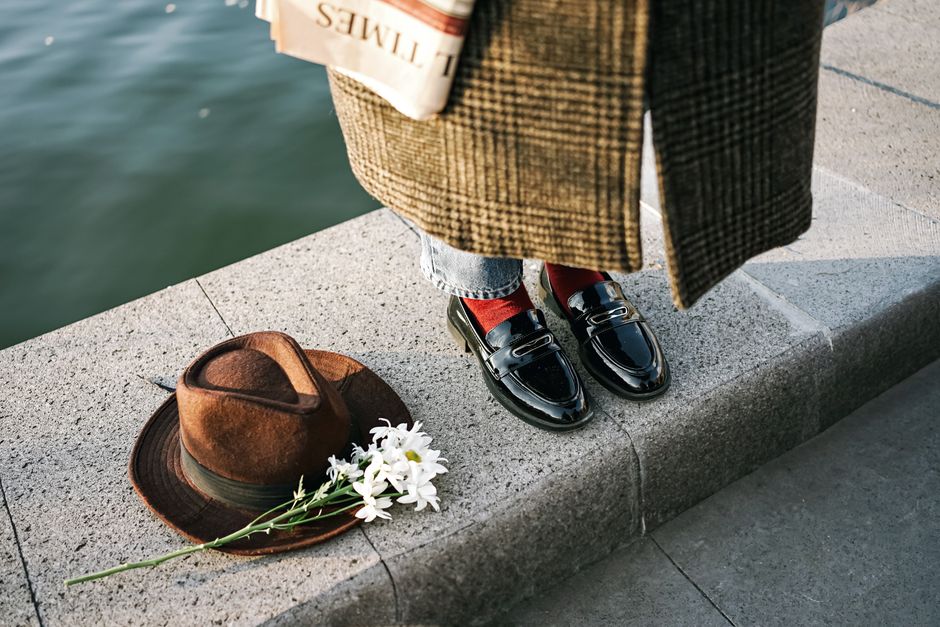
Master outfit combinations for work, weekend and events. UK sizing, layering tips and styling hacks for every occasion.

Find the latest Women's Crocs deals in the UK. Compare styles, fits and price drops from budget to premium. Shop live prices now.
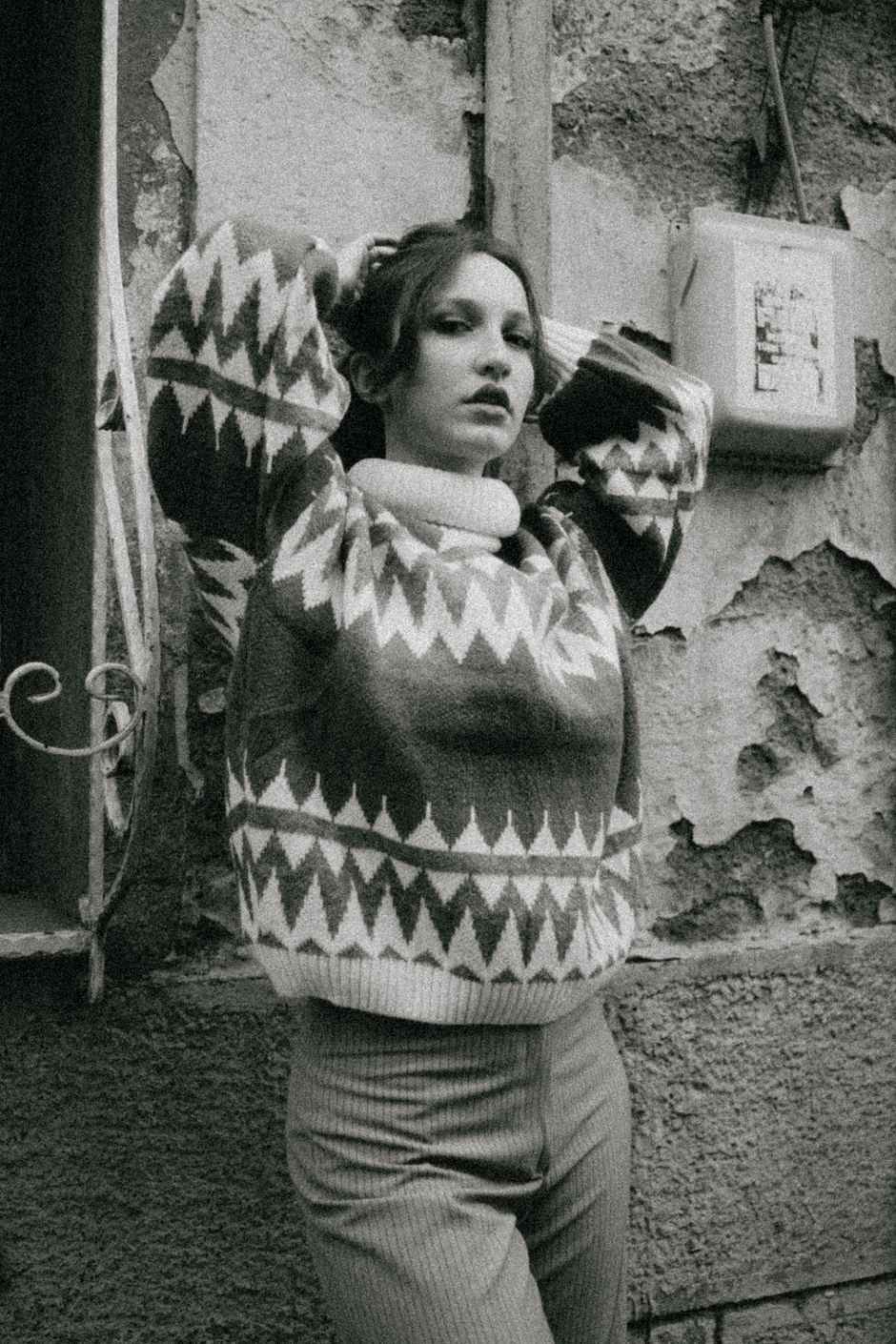
How to choose women's tops and knitwear: fit, fabric, budget bands and UK sizing. Avoid common mistakes. Shop smarter.