
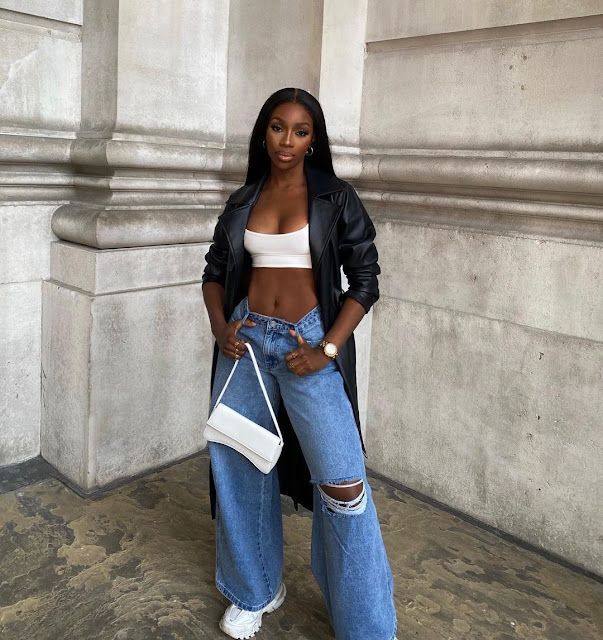
 New in
 Wedding guest
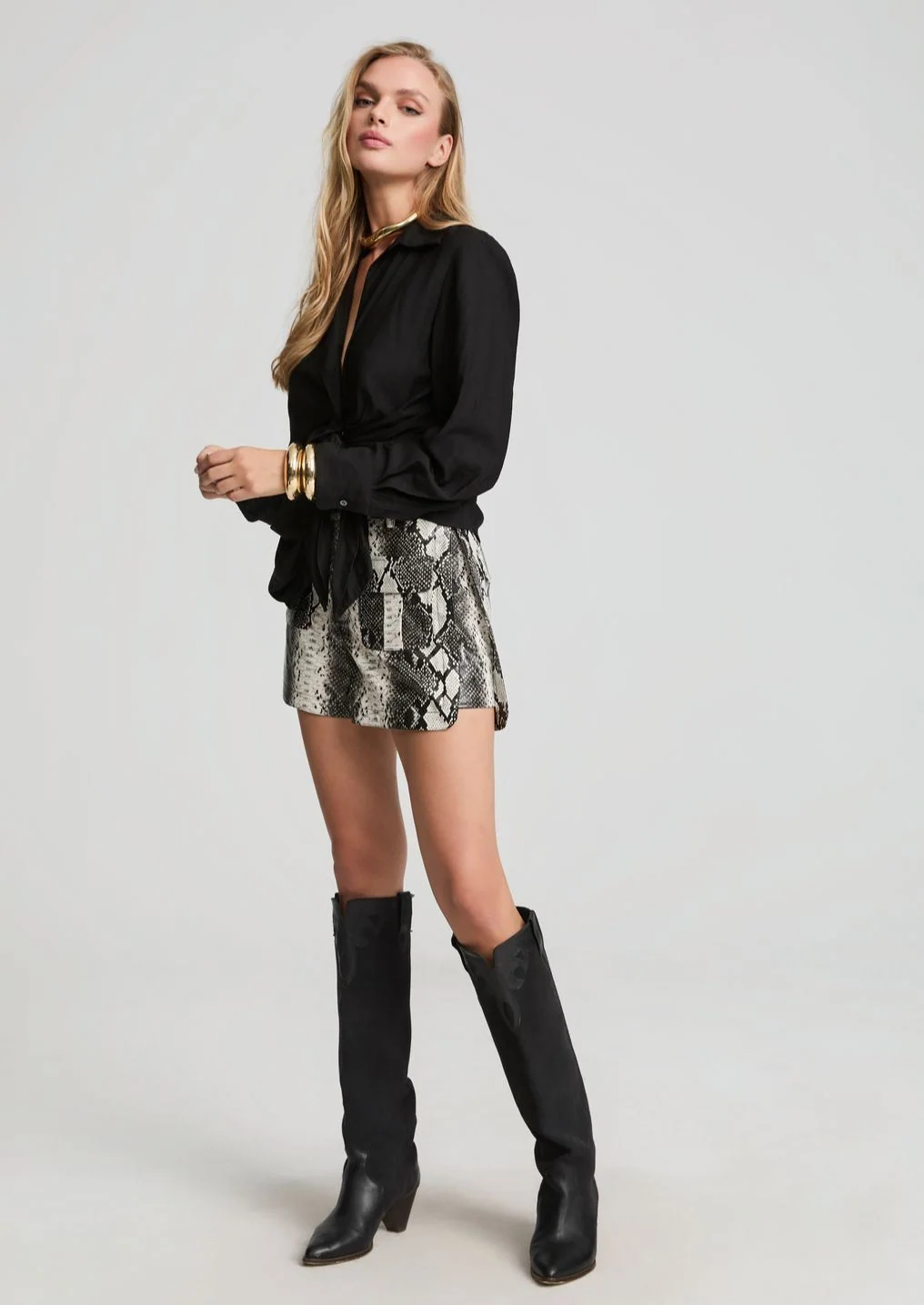 Party season
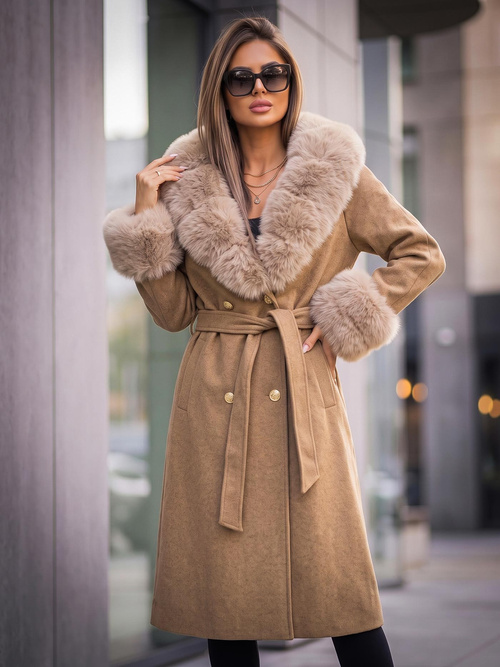
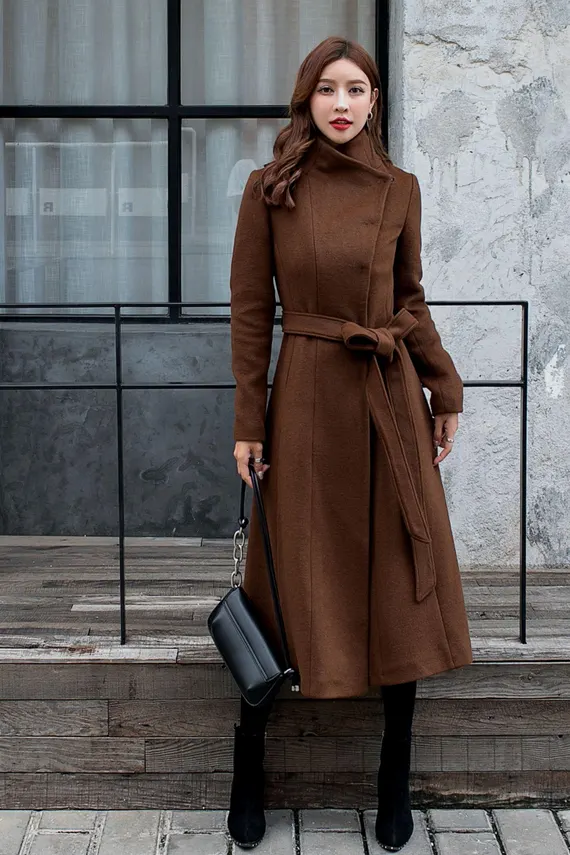 Winter coats
 New in
 Suits & tailoring
 Coats & jackets
 Jeans
Women's Clothing & Shoes: Outfit Ideas 2026
Master Outfit Building for Every Occasion
Getting dressed should feel effortless, not like a daily puzzle. The difference between a rushed outfit and one that feels intentional comes down to a few core principles: knowing your proportions, choosing fabrics that work with UK weather, and building combinations that move from Monday morning to Saturday night without a rethink.
Women's clothing and shoes aren't about chasing every trend. They're about creating a personal uniform that reflects how you actually live — commuting into a city office, working from home in a draughty Victorian terrace, or balancing a packed social calendar. Most wardrobes can be rebuilt around pieces that sit in the £25–£120 range for tops and knitwear, £35–£150 for dresses and trousers, and £40–£180 for boots and everyday shoes, which is why understanding what you already own matters more than buying more.
The secret isn't volume. It's understanding what you have and how to layer, mix and match it. This guide teaches you to think like a stylist: assess what works on your frame, understand fabric weight and seasonality, and solve real problems — hiding a fine jumper under a blazer without bulk, staying warm in January without looking shapeless, dressing up trainers for casual Friday.
Quick win: Start with your most-worn shoe. Build three complete outfits around it — one for work, one for weekend, one for going out. You'll immediately see which gaps in your wardrobe actually matter.
The goal isn't perfection. It's confidence. When you know why you've chosen each piece — the fit, the colour, the function — you move through your day differently. You're not second-guessing yourself at 8 a.m. or tugging at a waistband by 6 p.m.
Throughout, you'll learn to assess fit across UK sizes (6–20, XS–XXL), recognise how different brands run, and spot which fabrics and cuts flatter your shape. You'll also see how to layer for British weather, transition pieces between seasons, and build outfits that work whether you're at a desk or standing on the Tube. Our picks on this page show real examples of the pieces we're discussing — but the real skill is applying these principles to whatever's already in your wardrobe.
Start With Fit: UK Sizing, Proportions and What Actually Flatters
Fit is the foundation. A £30 top that sits properly at the shoulder and waist will always look better than a £90 one that pulls across the bust or gapes at the back. Before you think about colour or trend, get honest about how clothes sit on your frame.
Know how brands run before you commit
UK sizing is not standardised. A size 12 from one high-street label can fit like a 10 from another, and marketplace brands often run small or use Asian sizing that maps differently. Always check the size chart in centimetres rather than assuming your usual number.
- Measure once, properly: bust, waist and hip in centimetres, taken over light clothing — keep the numbers on your phone for quick reference.
- Read the fit notes: "relaxed", "regular" and "slim" mean very different things; a relaxed size 12 can equal a regular size 14.
- Check the model stats: if the model is 5ft 9in in a size 8 and you're 5ft 4in, expect the hem to sit lower on you.
- Size for your largest measurement: buy to fit shoulders and bust, then have waists taken in — tailoring is cheaper than replacing.
Work with your proportions, not against them

The goal is balance. If you're long in the torso, a higher-waisted trouser shortens the leg line visually and evens things out. If you're petite, a cropped jacket and a monochrome column of colour add length. If you're curvy through the hip, a straight or wide leg that skims rather than clings keeps the line clean.
A quick test: stand side-on in a mirror. The waistband should sit at your natural waist (the narrowest point), the shoulder seam should end at the edge of your shoulder bone, and sleeves should finish at the wrist bone. Anything off by more than a couple of centimetres will feel wrong all day.
Footwear fit matters as much as clothing
Shoes are where most people compromise and then suffer. UK shoe sizes vary by brand, and width is often the real issue — a standard D fit won't suit a wider foot no matter the length. Try shoes late in the day when feet are at their largest, and always walk a few metres on a hard floor before deciding.
- Check the toe box: you should be able to wiggle toes freely; a pinched toe ruins an otherwise good shoe.
- Heel grip: the heel should hold without slipping — if it slides, size down or add a heel grip.
- Break-in expectations: leather gives; synthetic often doesn't. Buy synthetic true to size and leather slightly snug.
Build a Core Wardrobe That Works Across Occasions
Once fit is sorted, the next step is a small, hard-working core. The aim is a set of pieces that combine with each other in multiple ways, so getting dressed becomes selection rather than invention. Think in categories, not outfits.
The building blocks
- Two pairs of trousers: one tailored straight leg for work, one relaxed style for weekends — neutral colours mix with everything.
- One dark and one light denim: dark for smart-casual, light for relaxed days; both work with trainers and boots.
- Three tops: a fine-knit crew, a cotton shirt, and a jersey tee — each layers under or over the others.
- One dress that transitions: a midi in a fluid fabric works with flats by day and heels or boots by night.
- One blazer or structured jacket: the single most useful piece for lifting jeans and a tee into smart territory.
- Two pairs of shoes: a clean white trainer and a leather ankle boot cover most of the week.
Choose fabrics for the season and the weather
British weather rewards layering and breathable naturals. Cotton and linen keep you cool in a warm office; merino and cashmere add warmth without bulk; a water-resistant outer layer handles drizzle. Avoid heavy synthetics next to the skin if you run warm — they trap moisture and show creases.
Seasonality matters for cost-per-wear too. A lightweight merino knit at the upper end of the £25–£120 band will outlast three cheap acrylic jumpers and layer more neatly under a coat. Buy the best fabric you can afford in the pieces you wear most.
Use colour to stretch the wardrobe
Women
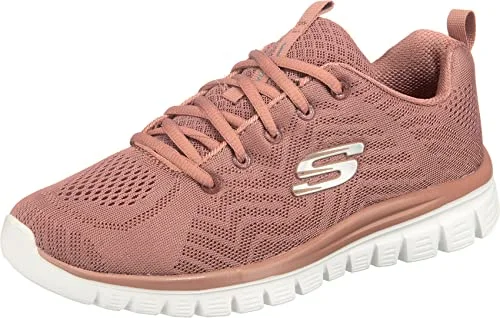
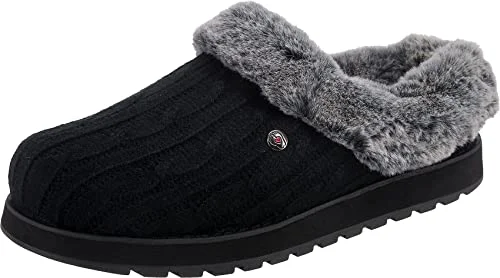
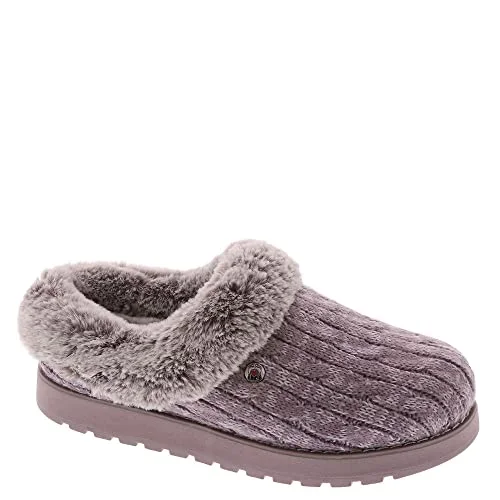
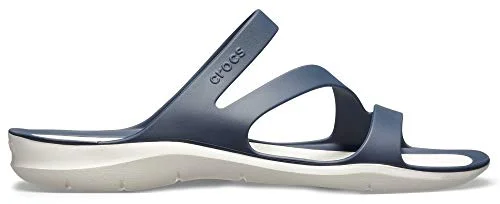
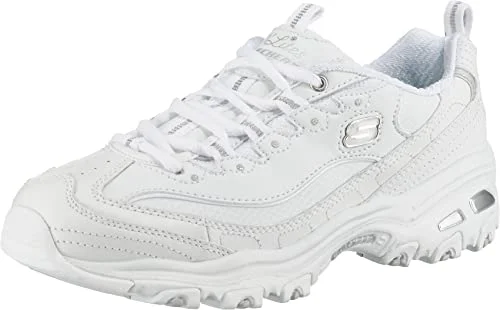
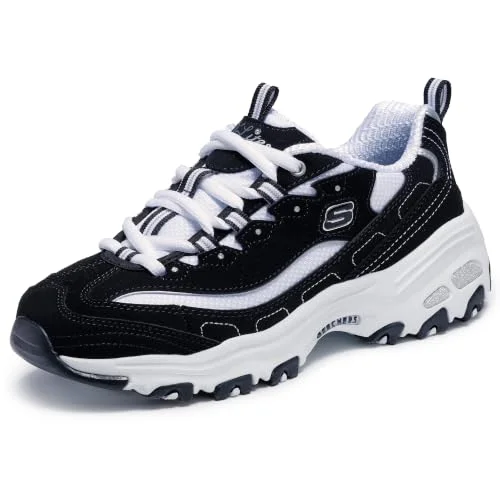
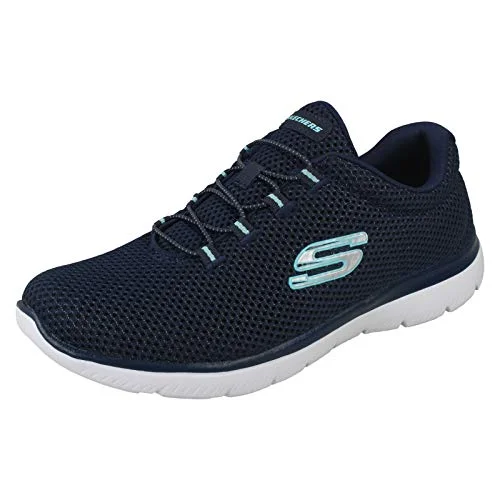
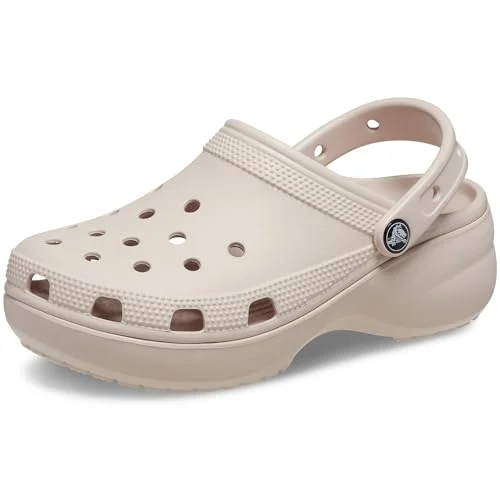
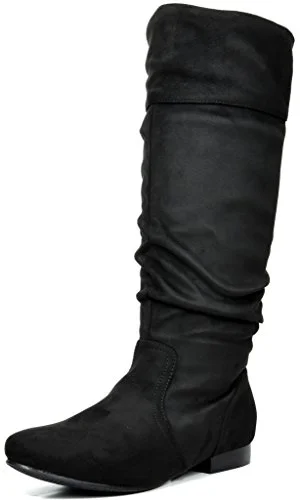
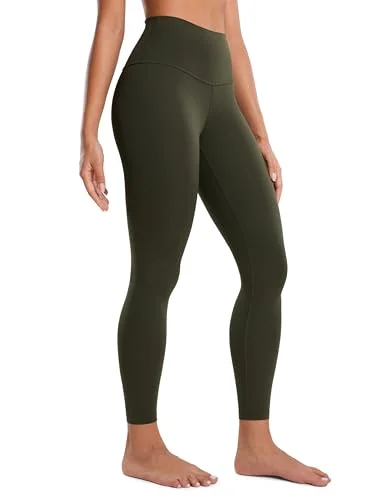

Pick a base palette — navy, grey, black, cream, camel — and add two accent colours you love. Every new piece should work with at least three things you already own. That single rule prevents impulse buys that hang unworn and keeps combinations easy.
Outfit Ideas for Every Occasion
With a core in place, the same pieces flex across the week. Here's how to assemble them for the situations that fill a real calendar.
Office and commuting
Start with tailored trousers, a fine-knit top and a blazer. Add a leather ankle boot with a low block heel for the walk to the station, and keep a pair of flats under the desk for long days. A longline coat over the top keeps the line clean and handles a cold platform wait.
- Layer smartly: a thin merino under a blazer adds warmth without bulk — avoid chunky knits under structured jackets.
- Keep a spare layer: offices swing between overheated and freezing; a lightweight cardigan folds into a bag.
- Choose a bag that works twice: a structured tote carries a laptop and reads polished for meetings.
Weekend and errands
Relaxed denim, a jersey tee and a cotton overshirt or utility jacket. White trainers keep it fresh; swap to a chunky boot in wet weather. This is where comfort leads — but fit still matters, so avoid anything that rides up or digs in when you're moving all day.
Dinner, drinks and evenings out
Take the midi dress and add heeled boots or a strappy shoe, a leather jacket and a small bag. If dresses aren't your thing, dark tailored trousers with a silky top and a statement earring work just as well. The trick is one focal point — let the shoe or the jewellery lead, not both.
Weddings, occasions and smart events

A midi or maxi dress in a fluid fabric, a light cover-up for the evening, and a comfortable heel or dressy flat you can actually stand in. Check the dress code — "cocktail" means a step up from daywear, "smart casual" means no trainers. A block heel handles grass and gravel far better than a stiletto.
Travel and long days
Stretch trousers or dark denim, a soft knit, a packable jacket and slip-on shoes for security queues. Layer rather than wear one heavy piece — planes and trains run both hot and cold. A crossbody bag keeps hands free and valuables close.
Layer, Transition and Care for Your Clothes
The final skill is making pieces work harder across seasons and keeping them looking good. Layering and care are where a modest wardrobe starts to feel generous.
Layer for British weather
- Start thin: a base layer close to the skin, a mid-layer for warmth, and an outer layer for wind and rain.
- Mind the bulk: if you're layering under a coat, keep the mid-layer fine-gauge so the silhouette stays clean.
- Use a scarf and hat: the cheapest way to extend a lighter jacket into autumn and winter.
Transition pieces between seasons
A denim jacket, a trench, a lightweight knit and ankle boots carry you from September to November and again from March to May. Wear tights under a midi dress to stretch it into cooler months, and swap sandals for loafers as the temperature drops.
Care that protects your investment
Wash less, air more. Knitwear lasts longer folded rather than hung, and leather shoes benefit from a brush and occasional conditioner. Store boots with shape inside to hold the shaft, and rotate shoes so each pair dries fully between wears — this alone extends their life noticeably.
Common mistakes to avoid
- Buying for a fantasy life: if you don't have the occasion, don't buy the outfit — buy for the week you actually live.
- Ignoring the shoe: the wrong shoe can undo a good outfit; decide footwear early, not last.
- Over-accessorising: one focal point reads more confident than three competing ones.
- Skipping alterations: a small hem or waist adjustment transforms fit for a fraction of a new purchase.
Get these habits right and getting dressed stops being a decision. You reach for pieces that fit, layer and work together — and you leave the house knowing exactly why the outfit works.
Keep reading

Find the latest Women's Crocs deals in the UK. Compare styles, fits and price drops from budget to premium. Shop live prices now.
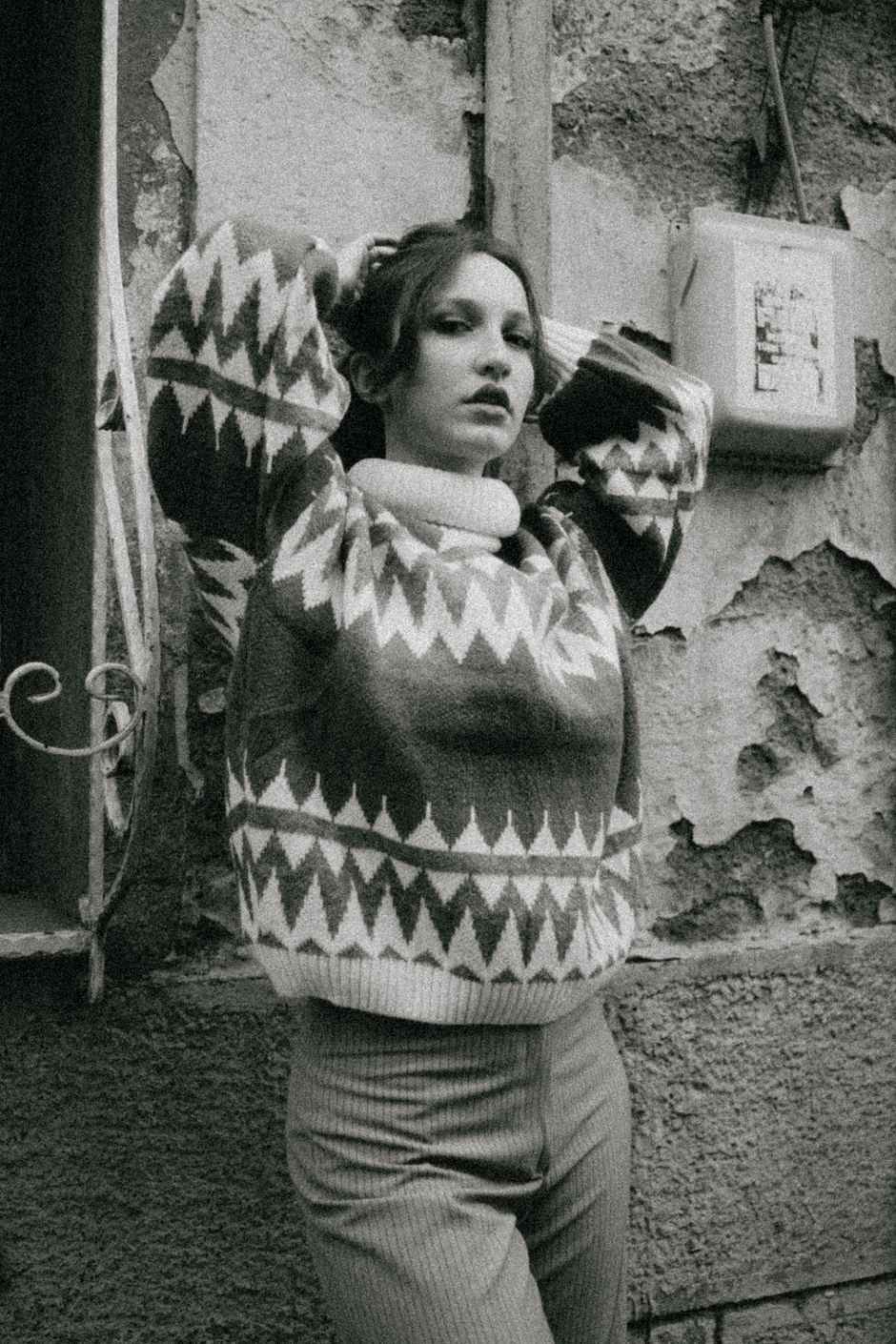
How to choose women's tops and knitwear: fit, fabric, budget bands and UK sizing. Avoid common mistakes. Shop smarter.
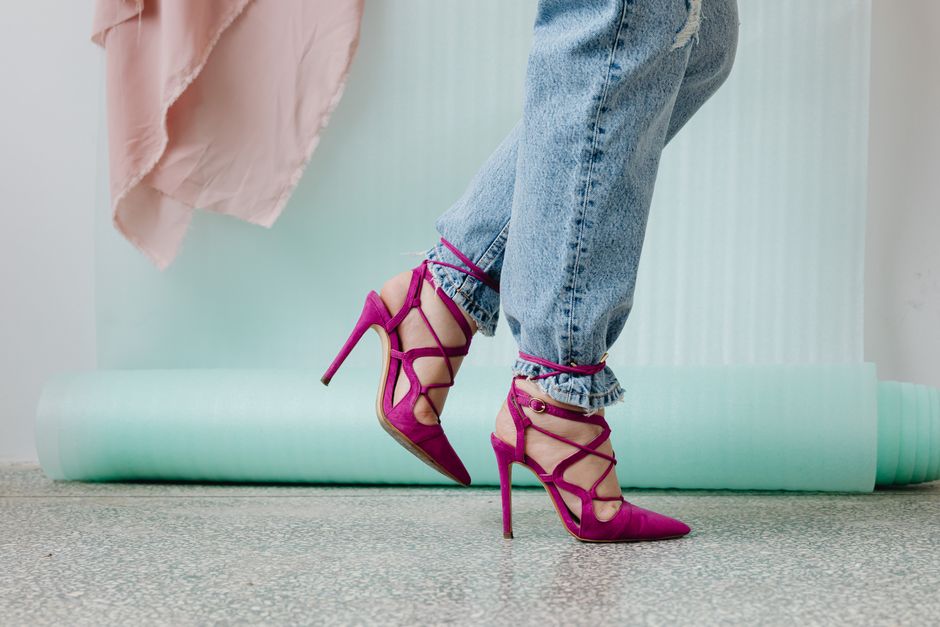
Learn how to pick the right women's shoes: fit, materials, budget bands and common mistakes. UK sizing, weather and style advice.