
 New in
 Wedding guest
 Party season
 Winter coats
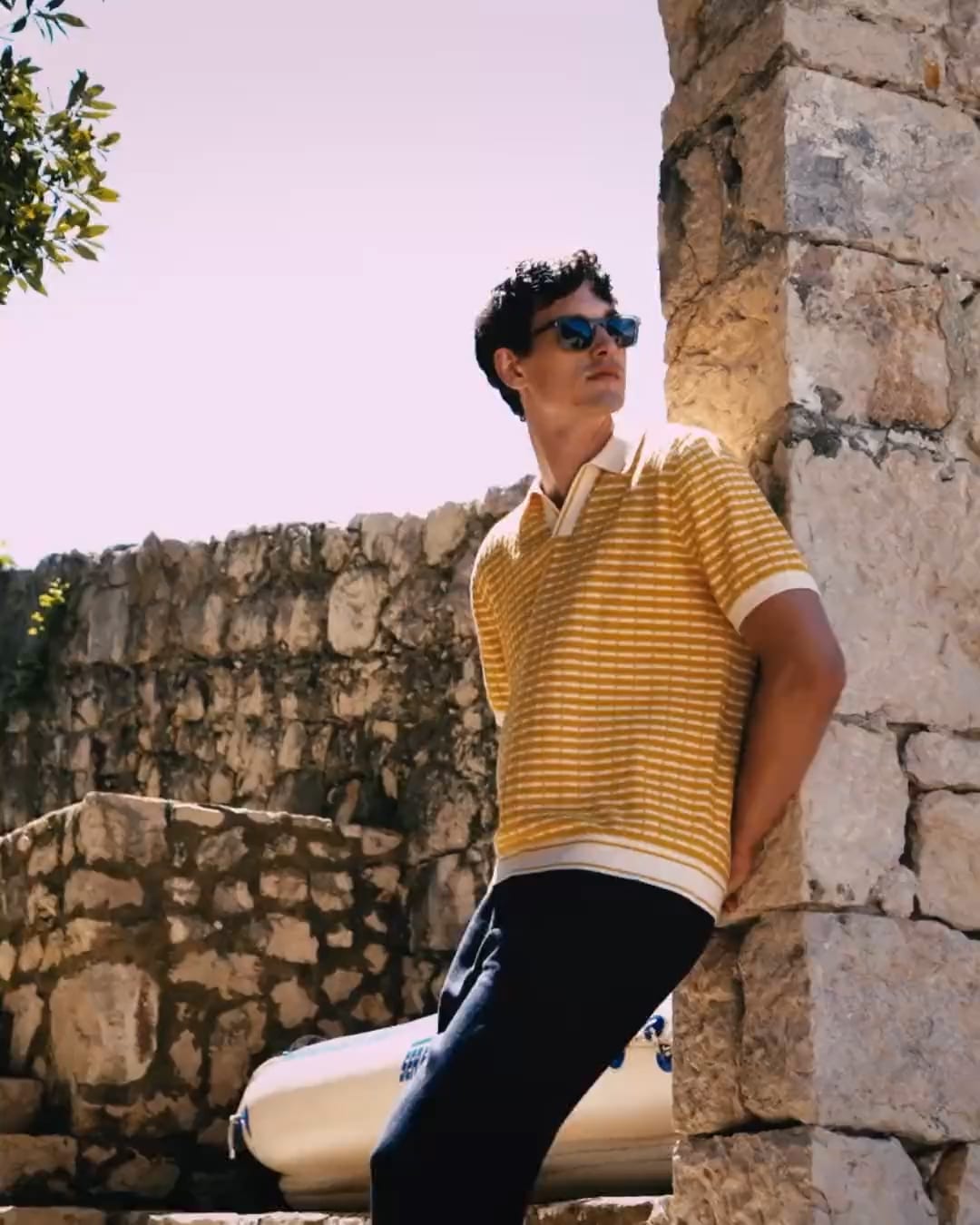 New in
 Suits & tailoring
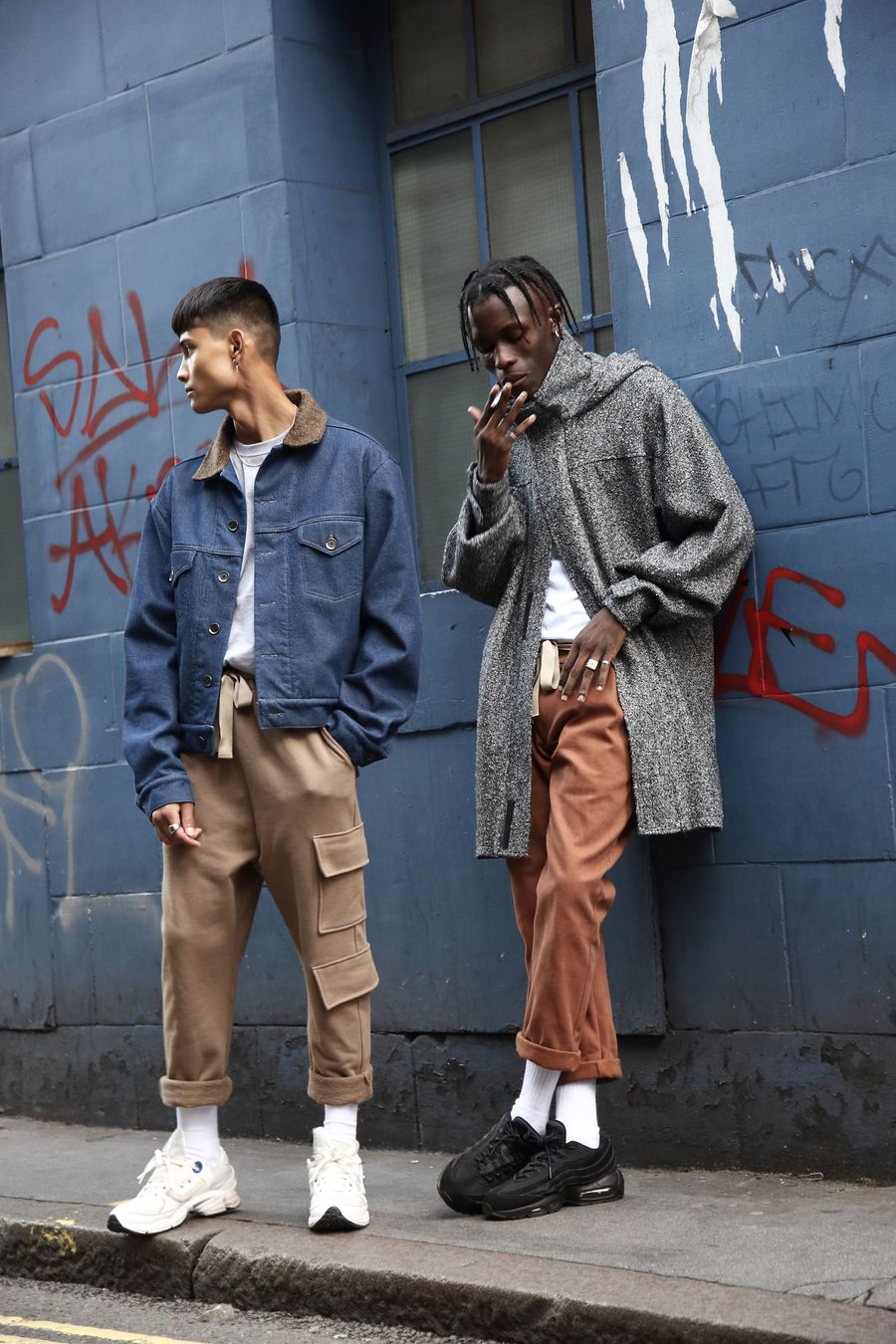 Coats & jackets
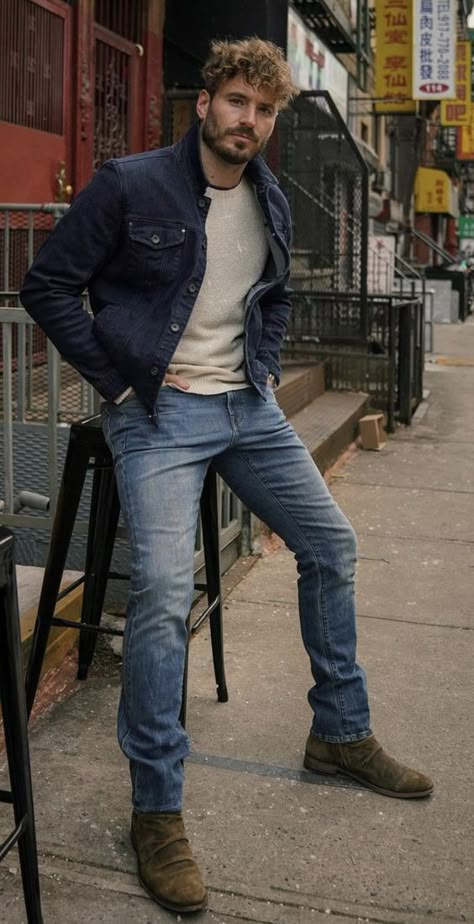 Jeans
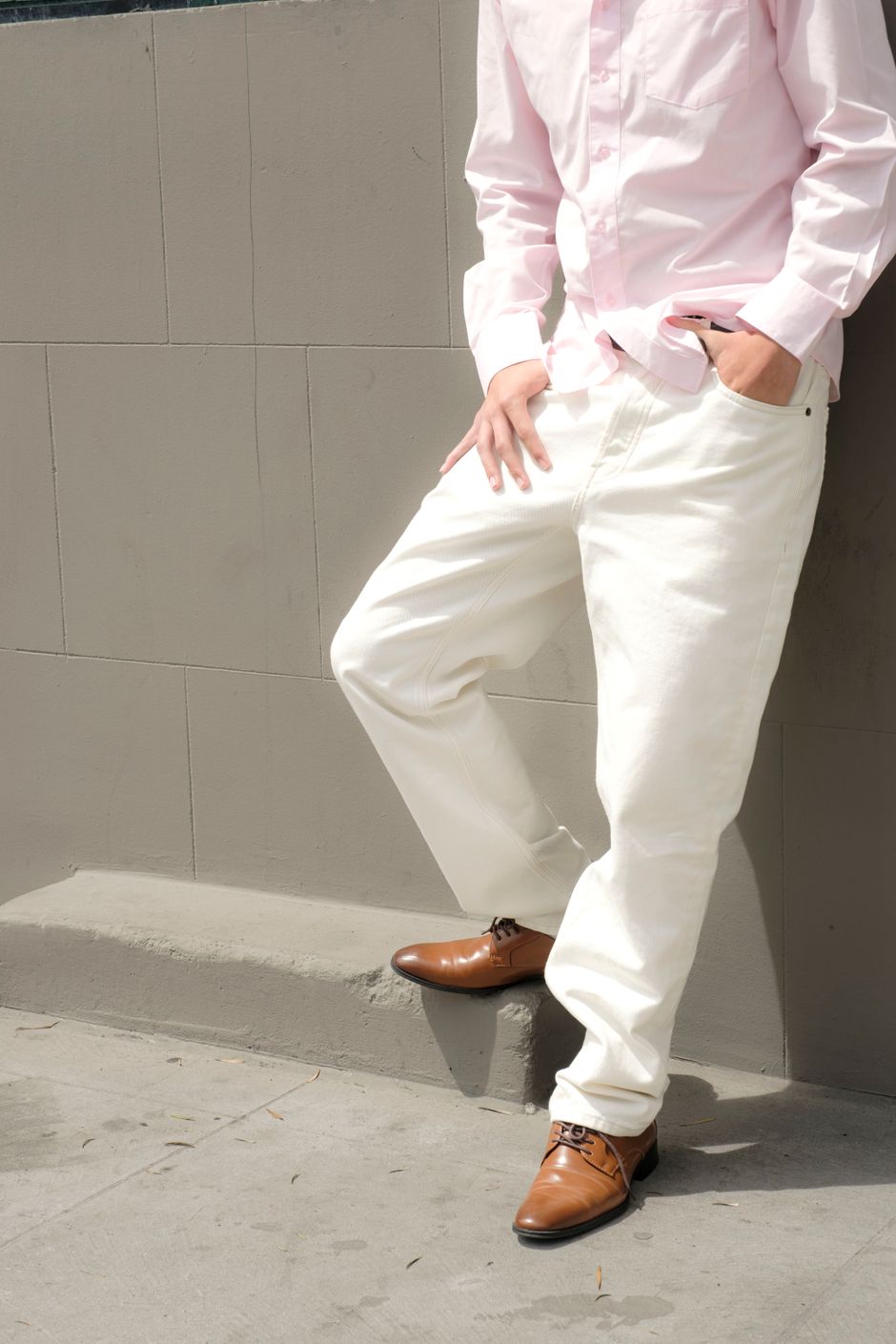
Men's Trousers & Jeans Buying Guide 2026
Quick answer: Build around two pairs — one smart (chinos or tailored trousers in navy or charcoal) and one casual (dark or mid-wash jeans). Spend about £15–£30 for everyday pairs that hold their shape, and push into the £30–£45 band only for a pair you'll wear several times a week. The live picks on this page show the best-rated options across all three bands, filterable by style and size.
Why the stakes are higher than they look: trousers and jeans are the most-worn items in most men's wardrobes. A pair worn three times a week takes roughly 150 wears a year — far more punishment than a jacket or a shirt ever sees. Get the fit wrong and you feel it every single time you sit down. Get the fabric wrong and you're replacing them within months. Get the rise or inseam wrong and you look uncomfortable even when you're not.
The UK climate adds its own demands. Our weather swings from damp mornings to warm afternoons, so fabrics need to breathe without collapsing, and colours need to survive drizzle, road spray and the general greyness of a British winter without showing every mark. A pair cut for a hotter, drier climate often disappoints here — too light, too quick to crease, wrong drape for layering under a jumper.
Everything below is written to stay useful: the principles don't expire, and the price bands are category-wide aggregates rather than any single product's price. Use this text to understand what you're looking at, and the widget to see what's actually in stock and at what price today.
The Three Decisions That Separate a Good Pair From a Bad One
Fit, fabric weight and rise do almost all the work. Most men fixate on brand or colour — the two things that matter least once the trousers are on your body.
Fit is not the same as size
Two pairs labelled the same waist size can fit like different garments. UK menswear sizing is genuinely inconsistent between brands, and sometimes within a single brand's range, because a 32-inch waist is a nominal figure, not a measurement. The cut through the thigh, knee and leg opening changes everything about how a pair feels and falls.

Here's the counter-intuitive part: a slightly looser fit almost always outlasts a tight one. Tight trousers concentrate stress on the seams at the thigh and crotch — precisely where friction is highest — and that's where they split first. A pair with a little room moves with you instead of fighting you. That doesn't mean baggy; it means no pulling when you sit, bend or climb stairs. The changing-room test is simple: sit down. If the fabric strains across the thigh or the waistband digs in, size up or try a different cut. For a concrete example, a man commuting by Tube and cycling the last mile will destroy a tight slim-fit pair at the crotch within months, while a regular fit in the same fabric survives years.
Length matters just as much. Smart trousers should sit just above the shoe with a slight break; jeans can sit a touch lower but never so low you're hitching them up. The hem should touch the top of your shoe or just skim it. Too short reads as unfinished; too long bunches at the ankle, wears thin at the heel and looks sloppy with anything but chunky boots.
Fabric weight: the spec nobody checks
Fabric weight is measured in ounces per square yard. Lightweight cloth (roughly 8–10 oz) is cooler and drapes more fluidly; heavy cloth (12 oz and up) is stiffer but tougher. For year-round UK wear, 10–12 oz is the sweet spot — substantial enough to hang properly and survive a British winter, light enough that you're not overheating on a warm September commute.
Composition matters as much as weight. Pure cotton breathes and softens with age but creases readily and can shrink. Blends with a small amount of elastane or polyester resist creasing, recover their shape and need far less ironing — a real advantage for everyday wear. Linen appears in this category mostly as a summer option: wonderfully breathable, but it wrinkles by design, so it suits relaxed casual styles rather than anything you'd wear to a meeting.
And here's the second counter-intuitive fact: a cheap pair with a few per cent elastane frequently outperforms an expensive pure-cotton pair. Elastane lets the fabric stretch and recover, so the knees don't bag and the seat doesn't sag after a few wears. Budget pure cotton, by contrast, has no recovery — it stretches where you stress it and stays stretched. That single ingredient explains more about how a pair ages than the price tag does.
Rise and inseam: the fit you can't fake
Rise is the distance from the crotch seam to the top of the waistband. Low rise (under about 10 inches) is uncomfortable for most men and looks dated in UK workwear. Mid rise (roughly 10–11 inches) is the versatile, flattering default. High rise (11 inches plus) suits taller frames and formal styles, and keeps a shirt tucked neatly.
Inseam is the inside leg from crotch to hem. Half an inch short looks wrong; half an inch long bunches and frays. Measure your best-fitting pair once, note the number, and use it every time you buy online — it's the single most useful measurement in menswear and almost nobody records it.

Trousers & Jeans
Materials, Styles and Sizing Without the Guesswork
Reading a label properly saves you both money and return postage.
What each style is actually for
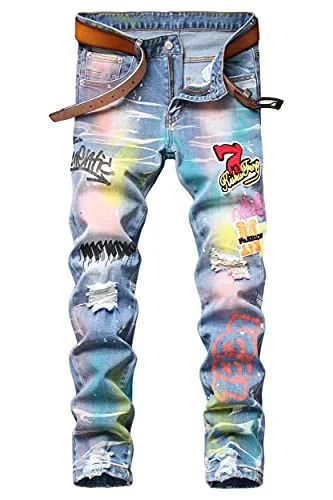
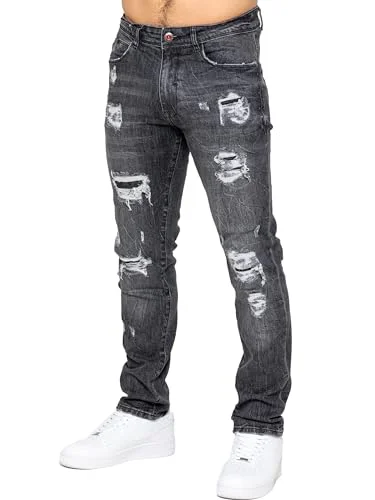
- Jeans — denim, durable and casual. Dark indigo and black work for smart-casual; mid and light washes are weekend territory. Stretch denim is far more comfortable for all-day wear.
- Chinos — smarter than jeans, less formal than tailoring. Navy, khaki, charcoal and olive cover business-casual offices and weekend smart wear alike.
- Tailored trousers — the smartest option, usually flat-fronted with a crease. Navy, charcoal, black and grey are the essentials for offices and formal occasions.
- Casual trousers — the middle ground between chinos and jeans: relaxed but neater than denim, ideal when jeans feel too casual but tailoring is overkill.
Composition and care, decoded
Pure cotton is breathable but creases and can shrink 3–5% in a hot wash. Cotton-elastane blends (around 96% cotton, 4% elastane) resist creasing, recover their shape and feel better over a long day. Cotton-polyester blends are durable and wrinkle-resistant but can feel less breathable — common in budget ranges. Linen blends bring summer breathability at the cost of heavy creasing, which is part of the point.
On sizing: UK menswear usually runs on waist and inseam in inches (32/30, for example), though some brands use S–XXL. Measure your waist at its narrowest point and your inseam from crotch seam to shoe top, then compare against the brand's own fit guide rather than your last purchase. Fit labels mean specific things — slim is a narrower thigh and leg opening, regular or straight is standard, relaxed or comfort adds room. If you're ordering online, order two sizes and return one; most sites offer free returns, and it's cheaper than living with a bad fit.
Finally, shrinkage. Raw, untreated denim can shrink 5–8%; pre-shrunk denim shrinks 1–2%. Wash cold, hang dry, and skip the tumble dryer — heat is what shortens the life of any pair of trousers more than wear ever does.
Budget Bands: What Your Money Actually Buys
Price doesn't guarantee quality, but it does predict durability and comfort fairly reliably. Here's the honest breakdown.
| Band | What you get | What you give up | Best for |
|---|---|---|---|
| Budget (up to about £15) | Wearable basics, standard fit, often pure cotton with no elastane, functional seams | Shape retention, colour fastness, reinforced stress points | Occasional wear, travel, trying a new style |
| Mid-range (about £15–£30) | Elastane blends, reinforced seams, considered fits in slim, regular and relaxed | Premium finishing and heritage detailing | Everyday wear — where most men should spend |
| Premium (£30–£45+) | Better fabrics and dyeing, refined fits, chain-stitched or bar-tacked seams | Nothing functional — you're paying for longevity and finish | Pairs worn several times a week |

At the budget end you're buying a pair for occasional use. Budget jeans are fine for weekends if you're not living in them; budget chinos suit someone who needs a smart option a few times a month. What you lose is recovery and colour retention — the fabric bags at the knee and fades faster, and seams can fray under heavy rotation.
Mid-range is where value peaks. The addition of a few per cent elastane transforms how a pair wears: it recovers after washing, resists bagging and feels noticeably more comfortable by the end of a long day. Expect 18–24 months of two-to-three-times-a-week wear with sensible care. This is the band most men should default to.
Premium buys better cloth, better dyeing and better construction — seams that are chain-stitched or bar-tacked where it counts, and fits that have been refined rather than approximated. A premium pair worn constantly can last three years or more, which makes the cost per wear sensible. But paying £40 for something you wear once a month is simply wasteful; the premium only pays off under frequent rotation.
When you use the live picks on this page, filter by style, fit, colour, waist and inseam, price band and fabric composition — and prioritise the options rated 4.5 stars and above, since those ratings reflect how the fit and durability actually perform in the real world.
Common Mistakes and Straight Answers
- Buying by brand alone — a familiar name guarantees nothing about fit; check the fit guide and read reviews specific to that style.
- Ignoring elastane — a modest pair with 4% elastane routinely outlasts a pricier pure-cotton one.
- Skipping the inseam measurement — waist size alone is a gamble; measure your inside leg once and reuse it.
- Trusting "pre-shrunk" as "no shrink" — it reduces shrinkage to 1–2%, not zero; wash cold and hang dry.
- Buying tight for the look — tight pairs stress seams and read as uncomfortable; always sit down before you commit.
- Ignoring the care label — hot washes and tumble drying age trousers faster than anything else.
Frequently asked questions
What's the difference between jeans and casual trousers? Jeans are denim — darker, more casual and more durable. Casual trousers are usually cotton, often with elastane, sitting between jeans and chinos: neater than denim, more relaxed than tailoring. Both suit everyday wear; jeans are tougher, casual trousers more versatile across occasions.
How often should I wash jeans? Less than you think — every four or five wears, or when visibly soiled. Spot-clean marks between washes. Frequent washing fades colour and wears the fabric; always hang dry.
Will trousers shrink after the first wash? Pre-shrunk pairs shrink 1–2% and then stabilise; raw denim can shrink 5–8%. Check the label, and if you're unsure, size up slightly and wash before wearing.
What's the best colour to start with? Navy. It works for smart and casual, hides marks, fades less visibly than black and pairs with almost everything. Charcoal is the natural second; khaki and olive cover casual days.
The best pair is the one that fits your shape, suits how you actually live and is made from fabric that recovers rather than sags. Price helps, but it isn't the deciding factor — a mid-range pair with a little elastane and a genuinely good fit will outperform a premium pure-cotton pair that doesn't suit you. Compare the live picks, filter to your size and style, and read what real wearers say about fit and longevity before you commit.
Send it to a friend who is shopping for the same thing — they see the guide and today’s prices.
Keep reading
Find the right men's tops and knitwear for UK weather. Learn what to look for, compare price tiers, and browse tracked deals.
Master outfit combinations for work, weekend and events. UK sizing, layering tips and styling hacks for every occasion.
Find the latest Women's Crocs deals in the UK. Compare styles, fits and price drops from budget to premium. Shop live prices now.